Thinking about living steps from the Battle Green? If you want a walkable, small‑town center with history at your doorstep and quick access to Boston, Lexington Center is worth a close look. You will learn what day‑to‑day life feels like near the Green, how in‑town housing compares with outlying neighborhoods, commute options, and what to expect on price and lifestyle trade‑offs. Let’s dive in.
Lexington Center at a glance
Lexington Center is the historic and civic heart of town, anchored by the Battle Green, Buckman Tavern and the Hancock‑Clarke House. Town documents describe it as the primary commercial and community hub, with shops and services clustered around Massachusetts Avenue and the Green. You see the historic setting in everyday routines, from morning coffee to evening events. The town’s Center retail strategy outlines how this pedestrian‑friendly main street supports local life.
You are about 10 miles northwest of downtown Boston, so commuting into the city is common while still enjoying a village‑center feel. The area is closely tied to Minute Man National Historical Park, where the opening skirmish of the Revolutionary War is interpreted and preserved. If you enjoy local history and green spaces woven into your routine, the National Park Service guide to the area is a helpful primer.
Day‑to‑day life near the Green
If you live within a few blocks of the Battle Green, most errands can be done on foot. The storefronts are a mix of small independent retailers, cafés, and professional services, which keeps the streets active at different times of day. Town planning documents emphasize a walkable core over big‑box retail, so the experience feels more like a classic New England main street than a suburban strip.
Civic and cultural anchors are part of the rhythm. Cary Memorial Library and Cary Hall host regular programs and performances, and the Munroe Center for the Arts offers classes, exhibits and community events that draw residents into town during the week. You can browse current opportunities or exhibits through the Munroe Center for the Arts and see how the town frames its cultural core in the Lexington Cultural District site assessment.
Parks, trails and the Minuteman Bikeway
The Minuteman Bikeway runs close to Lexington Center and connects to Alewife Station in Cambridge and out to Bedford. Many residents treat it as both a recreation path and a practical way to reach transit. If biking or walking is part of your daily routine, explore route maps and access points on the Minuteman Bikeway site.
The Center also links directly to historic greens and nearby parkland connected with Minute Man National Historical Park. Weekend strolls, family visits to Buckman Tavern, and seasonal programming on the Green make outdoor time easy to build into your week.
Transportation and commute
- MBTA buses: Routes 62/76 connect Lexington Center to Alewife on the Red Line. Town transportation summaries note typical scheduled travel times in the 20 to 25 minute range, with frequent peak service on weekdays. Saturday service is more limited and there is generally no MBTA service in Lexington on Sundays. For route details and spans, see the town’s Parking and Transportation Demand Management plan.
- Local shuttles: The town and partners operate shuttles, including in‑town Lexpress service and employer routes along key corridors. Availability varies by corridor and employer. Town studies offer a good overview of how these services supplement MBTA links.
- Driving: You are close to Route 2 and I‑95/128, so regional access is straightforward, but peak‑hour congestion at ramps and major intersections can slow trips. Downtown parking exists, yet availability depends on time of day and events. For a practical overview, review the town’s transportation and parking resources.
Tip: If commute time is critical, check the MBTA schedule for your travel window and run a maps‑app test drive during your usual peak. Small schedule shifts can change things meaningfully.
Housing near Lexington Center
What you will find in‑town
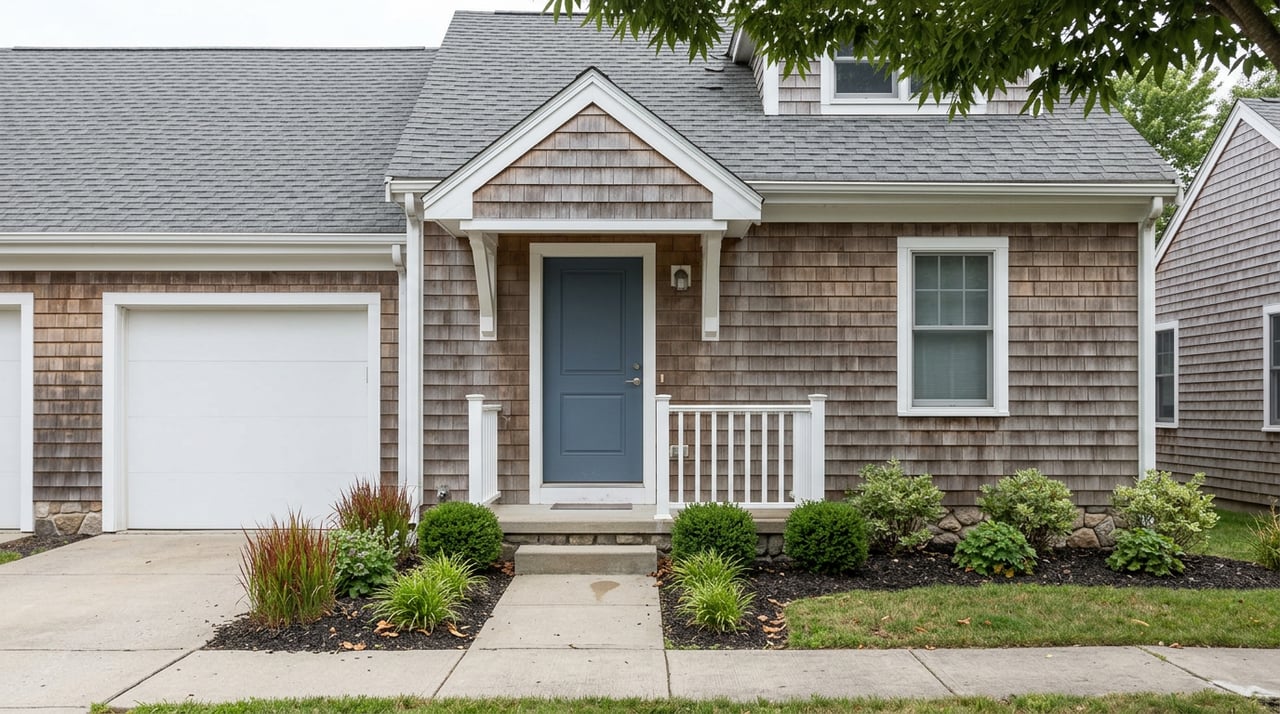
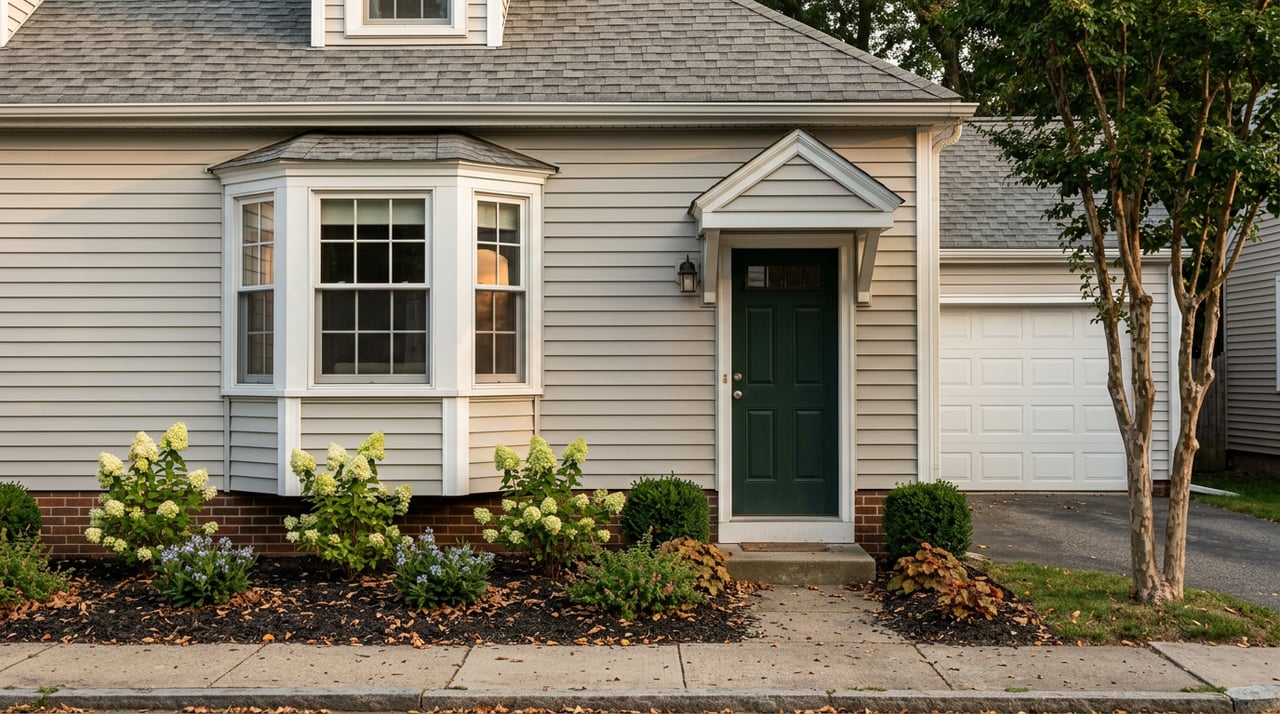
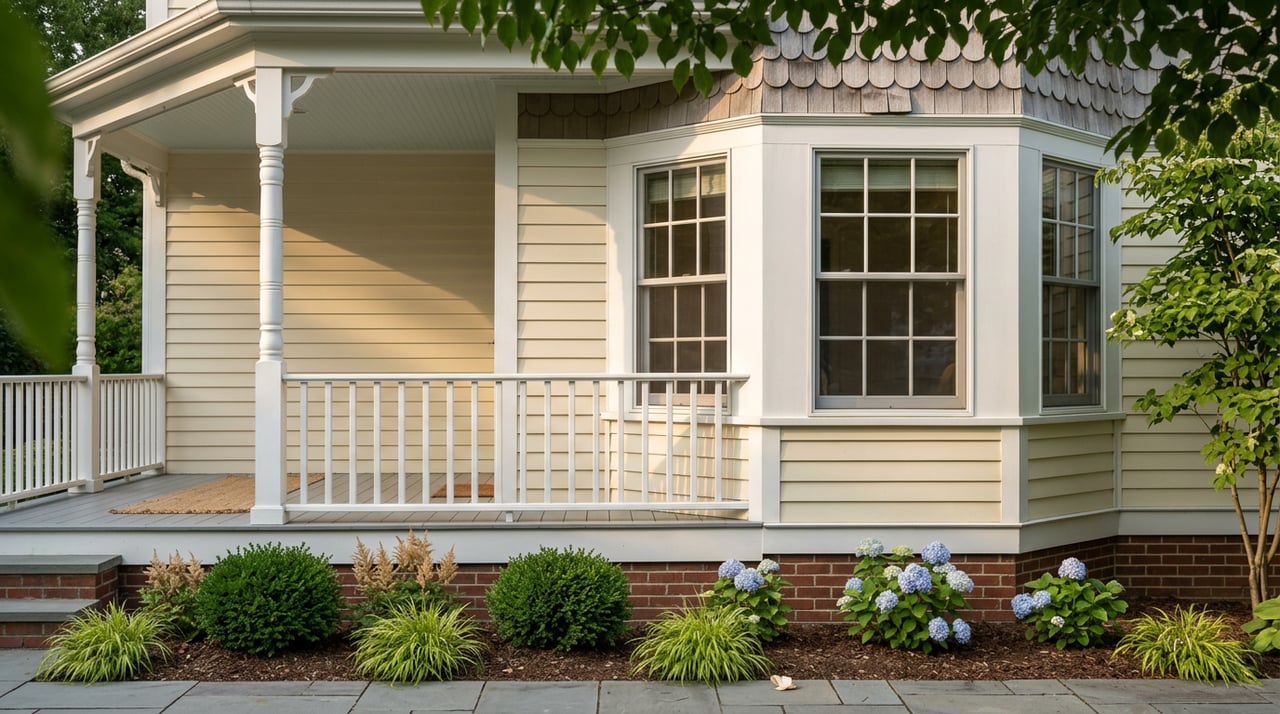
- Historic homes around the Green: You will see colonial, Federal, and 19th to early‑20th century homes near Massachusetts Avenue and the Battle Green. Some have been adaptively reused as small multifamily or professional spaces, reflecting the Center’s longstanding role as a civic and commercial district. Town planning sources describe this pattern in the Center retail strategy.
- Condos and conversions: The most walkable ownership options near the Center are often in smaller condominium buildings, including converted school structures and newer, modest mid‑rise projects on or near main corridors. These tend to offer lower‑maintenance living and easier access to daily errands.
- Nearby neighborhoods with distinct styles: Just beyond the Center, Lexington includes mid‑century modern enclaves such as Six Moon Hill, Five Fields and Peacock Farm, along with more conventional single‑family streets. Architecture, lot sizes and street patterns vary. For context on these modernist groups, see the SAH Archipedia entry.
Price patterns and expectations
Lexington sits in a higher‑end Boston‑suburb market. Town and local MLS summaries have reported median single‑family sale prices in the mid‑$1 million to near‑$2 million range across recent 12‑month windows. For the latest 12‑month statistics and methodology, consult the town’s recent sales summaries.
Two practical notes help set expectations:
- In‑town homes and condos often command a higher price per square foot due to walkability and proximity to amenities. Buyers typically trade yard size for location and lower maintenance.
- Third‑party vendor snapshots can jump around month to month in a town with a modest number of sales. For a realistic read on a specific street or building, lean on recent comparable sales from the local MLS or the town’s rolling 12‑month data rather than a single index print.
In‑town vs nearby suburbs: key trade‑offs
- In‑town near the Green
- Very short walks to cafés, library, arts and services
- Smaller yards and more condo options
- Higher price per square foot compared with larger suburban lots
- Occasional evening activity during events on the Green or at Cary Hall
- Nearby suburban blocks
- Larger lots and more single‑family homes
- Quieter streets and more on‑site parking
- Short drive or bike ride to the Center
- More car‑dependent daily routines
Schools, libraries and civic life
Lexington Public Schools are a major draw for many buyers. The district shares program details and Massachusetts DESE report cards on its official website. If schools factor into your decision, start with district resources and current boundaries on the Lexington Public Schools site.
Cary Memorial Library, Cary Memorial Hall, and the Munroe Center for the Arts give the Center a steady calendar of classes, performances and civic events. The town’s cultural planning frames the area around Cary and the Center as a community core, as outlined in the Lexington Cultural District assessment. If you enjoy being close to programming, you will appreciate living within a short walk.
Safety and town services
Data aggregators that draw on FBI reports indicate that Lexington’s violent and property crime rates sit well below national averages, which aligns with local perceptions. For context, see the overview on AreaVibes and consult local police resources or town crime‑mapping tools for address‑level questions.
Living near the Center also means being close to town services and historic resources. The town’s website and planning documents are the best place to confirm current regulations, parking rules and event calendars that can shape downtown life.
A day in the life near the Battle Green
Picture a weekday when you live three blocks from the Green. Morning coffee is a quick stroll, followed by a library stop or a class at the Munroe Center. Midday, you bike the Minuteman to Alewife for a meeting or a workout, then pick up a few groceries in town. After school, a music lesson or an art class keeps the evening flowing, and a show at Cary Hall or a seasonal event on the Green caps the day. The ease of short walks and the variety of programming shape a simple, connected routine.
Questions to ask yourself
- Do you want to prioritize walkability over yard size and interior square footage?
- Will you use the Minuteman Bikeway or MBTA 62/76 to Alewife enough to affect your commute decisions?
- How do you feel about event‑night activity near the Green and Cary Hall?
- Do school boundaries or program options influence your target streets or neighborhoods?
- If considering a condo, are HOA rules, fees and building age a good match for your lifestyle?
- Do you need guaranteed on‑site parking, or would a mix of street and lot parking work?
Next steps
If you are weighing a condo steps from the Green against a larger single‑family a short drive away, a clear view of recent comps, commute options and lifestyle trade‑offs will help you decide. Our team can walk you through up‑to‑date MLS data, help you compare in‑town and nearby neighborhoods, and connect you with trusted local vendors for inspections, financing and prep.
Ready to explore homes near Lexington Center or get a read on your equity? Connect with JMR Real Estate Group for neighborhood‑level guidance and to get a free home valuation.
FAQs
What is day‑to‑day walkability like near Lexington Center?
- Town planning shows a pedestrian‑friendly core with small retailers and services clustered along Massachusetts Avenue, supporting errands on foot near the Green. See the Center retail strategy for details.
How do I commute from Lexington Center to Alewife or Boston?
- MBTA Routes 62/76 typically take about 20 to 25 minutes to Alewife on scheduled runs, with limited Saturday service and generally no Sunday MBTA service in Lexington. Review schedules in the town’s transportation demand management summary.
What kinds of homes are common within walking distance of the Green?
- You will find historic homes from the 18th through early 20th centuries, plus smaller condo buildings and adaptive reuse projects. Town documentation describes this mix in the Center retail strategy.
How do prices near the Center compare with other Lexington neighborhoods?
- Lexington’s market is higher‑end overall, with town and MLS 12‑month summaries showing single‑family medians from the mid‑$1 million range to near $2 million in recent windows. Consult the town’s recent sales summaries or current MLS comps for a specific street.
Is parking difficult around Lexington Center for residents and visitors?
- Downtown parking is available but can be tight during peak times and events. The town’s parking and transportation resources outline lot locations, regulations and planning efforts.
What community and arts programming can I walk to from the Center?
- Cary Memorial Library, Cary Hall and the Munroe Center for the Arts host classes, performances and civic events, forming a cultural core described in the Lexington Cultural District assessment.