Thinking about selling your Belmont home this year? You are in a high-value, detail-focused market where buyers watch condition, commute options, and disclosure. A few smart steps now can add real value, reduce stress, and help you launch with confidence.
In this guide, you will learn what to fix first, how new Massachusetts rules affect negotiations, what documents Belmont sellers need, and a clear timeline from prep to closing. Let’s dive in.
Belmont market snapshot
Belmont sits among Greater Boston’s premium suburbs. As of early 2026, major portals cluster Belmont’s median home value in the roughly 1.35 to 1.5 million dollar range, with typical days on market often landing around 30 to 65 days depending on month and neighborhood. Exact numbers vary by source and season.
What matters most for pricing is your micro-location and condition. Belmont Hill, Waverley Square, and areas near Belmont Center can show very different price per square foot. A neighborhood-by-neighborhood CMA using the latest solds, pendings, and actives will give you the clearest picture.
Key takeaways:
- Use recent, hyperlocal comps before setting price.
- Expect buyer sophistication on condition, systems, and transit.
- Small condition issues can become negotiation points.
Know the Massachusetts rules
Home inspection disclosure
Massachusetts now requires a separate written disclosure telling buyers they have the right to a licensed home inspection. For contracts dated on or after October 15, 2025, sellers and agents may not condition acceptance of an offer on a buyer waiving inspection. Review the state guidance on inspection rights and exemptions at the Massachusetts page on residential home inspections. (Mass.gov)
What this means for you: plan for inspection contingencies and focus on transparency. A clean pre-listing game plan can help you negotiate with facts.
Lead paint for pre-1978 homes
If your home was built before 1978, you must provide the state Property Transfer Lead Paint Notification and the federal lead pamphlet before the buyer is contractually obligated. Share any lead inspections, risk assessments, or deleading documents you have. Learn more at the state’s lead paint transfer page. (Mass.gov)
Smoke and CO certificate
Before closing, Massachusetts requires a Certificate of Compliance from the local fire department confirming smoke and carbon monoxide alarms meet code. Schedule early if alarms need updating or hard-wiring. Guidance on preparing for the inspection is available on the state site. (Mass.gov)
Septic and Title 5
If your home is on a septic system, a Title 5 inspection is typically required for a sale. Reports are usually valid for two years, or three with annual pumping records. Plan this early to avoid delays. See state Title 5 guidance. (Mass.gov)
If your property is connected to Belmont’s municipal sewer, Title 5 usually does not apply. The Town provides sewer regulations, including procedures for abandoning a septic tank when connecting to sewer. Review Belmont DPW guidance for details. (Belmont-MA.gov)
Deeds excise and seller costs
Massachusetts charges a state deeds excise (often called stamp tax) on transfers. The commonly quoted rate is about 4.56 dollars per 1,000 dollars of consideration, usually paid by the seller unless negotiated otherwise. Confirm your exact number with your closing attorney. See tax rate details. (Mass.gov)
Other typical costs include your attorney, payoff of any liens, staging and preparation expenses, and real estate commissions. Commissions are negotiated and can vary by property and services.
Prep that pays off
Get a pre-listing inspection
A seller-paid pre-list inspection helps you find material or safety issues on your schedule, decide what to fix, and document repairs with receipts and warranties. This can lower the odds of late-stage renegotiation. Learn more about seller inspections. (InterNACHI)
How to use it:
- Fix safety and code items first.
- Prioritize visible condition issues that could spook buyers.
- Disclose reports and completed repairs to build trust.
Focus on high-ROI updates
Industry benchmarks show the best resale payback often comes from targeted, time-boxed projects instead of full renovations. The Cost vs Value report highlights strong national ROI from items like garage and entry doors, manufactured stone veneer or fiber-cement siding, and a minor midrange kitchen refresh. Review the latest rankings. (Cost vs Value)
Quick wins that play well with Belmont buyers:
- Fresh, neutral interior paint in main living areas.
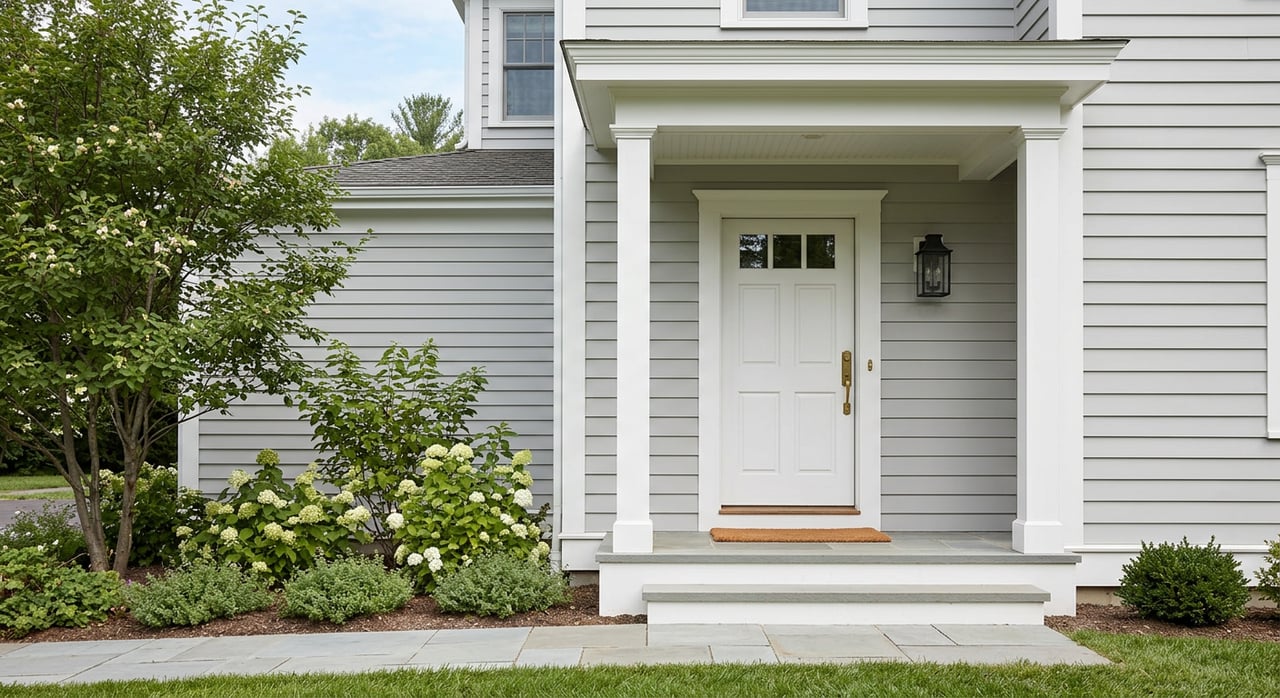
- Curb appeal updates such as new front door, garage door tune-up, and simple landscaping.
- Flooring refresh, like refinishing hardwoods or replacing worn carpet.
- Updated cabinet hardware and light fixtures in kitchens and baths.
- Deep cleaning, strategic decluttering, and selective staging.
Stage and photograph like a pro
Staging often shortens time on market and can modestly improve offers, according to industry surveys. Pair it with professional photography for a standout online launch. Consider virtual staging for vacant spaces. Explore staging insights from NAR. (NAR)
Typical cost ranges vary by home size and scope:
- Staging consult or light furniture rental: a few hundred to a few thousand dollars.
- Pre-list inspection: several hundred dollars depending on size and age.
- Professional photography: a few hundred dollars.
Get quotes from local vendors to set a realistic prep budget.
Pricing and launch strategy
In Belmont, the goal is to price where serious buyers will act while accounting for neighborhood micro-differences and condition. Your agent should prepare a current CMA with 5 to 10 comps, including recent sales, pendings, and nearby actives, then model days on market and likely demand.
For the launch, timing and presentation matter:
- Debut with clean, bright photography and engaging copy.
- Target the first 7 to 14 days for peak attention and feedback.
- If traffic or feedback lags, adjust quickly on price, condition, or marketing.
Offers, inspections, and appraisals
With the new inspection disclosure rule, plan for reasonable inspection windows and a clear process. You and your attorney can set expectations for response times and possible credit caps if repairs come up, provided all terms are mutually agreed.
A common cadence after offer acceptance includes an inspection period of about 7 to 14 days, followed by appraisal and underwriting for financed buyers. Many financed purchases close in about 30 to 45 days, though timelines can vary by lender. Lenders must send the buyer a final Closing Disclosure at least three business days before loan consummation, which can affect scheduling. Learn about the Closing Disclosure timing. (Bankrate)
A practical seller timeline
3 to 6 months out
- Meet with your agent to confirm goals, timing, and net proceeds targets.
- Request a neighborhood CMA and discuss pricing scenarios.
- Line up estimates for any larger projects you may consider.
6 to 8 weeks out
- Schedule a pre-list inspection and, if applicable, a Title 5 septic inspection.
- Start high-ROI fixes and address any safety or code items.
- Book staging and professional photography for launch week.
- If your alarms are older or uncertain, schedule the smoke and CO inspection with the fire department.
1 to 2 weeks out
- Complete deep cleaning and staging.
- Capture final listing photos, including exterior twilight if helpful.
- Prepare your disclosures: lead paint forms for pre-1978 homes and any inspection or repair documentation.
Launch week and first 1 to 2 weeks
- Go live in MLS with high-quality photos and remarks that highlight location and upgrades.
- Host opens and track showing feedback closely.
- Watch early signals on pricing and condition, then pivot if needed.
After accepting an offer
Confirm the buyer’s inspection timeline and provide the state inspection disclosure if not already delivered. (Mass.gov)
Respond to any inspection requests based on your pre-set plan.
Prepare the home for appraisal and keep documents handy for underwriters.
Closing period
- Plan for about 30 to 45 days for a financed buyer.
- Coordinate with your attorney on deeds excise, payoff figures, and recording.
- Remember the 3-business-day Closing Disclosure window when booking movers. (Bankrate)
How JMR helps Belmont sellers
You do not have to carry this alone. With neighborhood experience across Middlesex County, JMR puts a hands-on plan in place so you can focus on your move. Here is what that looks like:
- A hyperlocal pricing strategy built on a current CMA and on-the-ground context.
- Vendor coordination for pre-list inspections, quick repairs, staging, and photography.
- Guidance on Massachusetts forms and town requirements, including smoke and CO certificates, lead paint disclosures, and Title 5 when needed.
- A polished launch plan and steady communication through offers, inspections, appraisal, and closing.
If you are considering a move this season, start with a quick value check and a timeline that fits your goals. Reach out to the team at JMR Real Estate Group for a friendly, no-pressure consultation.
FAQs
What should Belmont sellers fix first before listing?
- Tackle safety and code issues, basic system maintenance, and visible condition problems. These are common negotiation points and can derail a deal if left unaddressed.
How does the new Massachusetts inspection rule affect my sale?
- For contracts on or after October 15, 2025, you must disclose buyers’ inspection rights and cannot require inspection waivers. Plan for an inspection contingency and use pre-list transparency to your advantage. (Mass.gov)
Do I need a Title 5 inspection in Belmont?
- Only if your property uses a septic system. Homes on municipal sewer typically do not require Title 5, but confirm with the town and your agent. (Mass.gov) (Belmont-MA.gov)
What paperwork do I need for a pre-1978 Belmont home?
- Provide the Property Transfer Lead Paint Notification and the federal lead pamphlet, plus any available lead inspection or compliance records. (Mass.gov)
How long does it usually take to close after accepting an offer?
- Many financed purchases close in about 30 to 45 days, depending on the lender and contract terms. Buyers must receive a final Closing Disclosure at least three business days before consummation. (Bankrate)
What seller costs should I plan for in Massachusetts?
- Budget for attorney fees, the state deeds excise tax, payoff of any liens, prep and staging costs, and real estate commissions that are negotiated between you and your agent. (Mass.gov)