Trying to decide if Winchester is the right fit compared to nearby Middlesex County suburbs? You want the right mix of home style, budget, commute, and everyday convenience. In this guide, you will see how Winchester stacks up on housing, pricing, transit, and amenities next to towns you are likely considering. You will also get simple ways to compare options and next steps to move forward with confidence. Let’s dive in.
Winchester at a glance
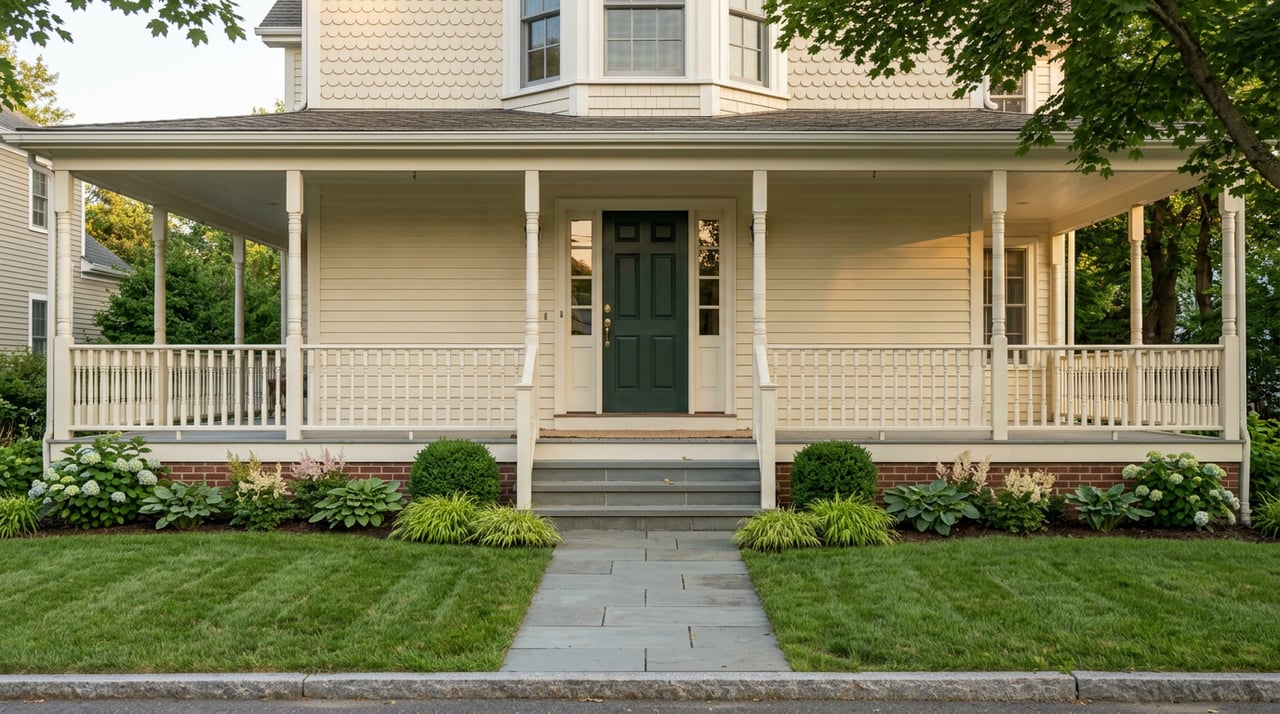
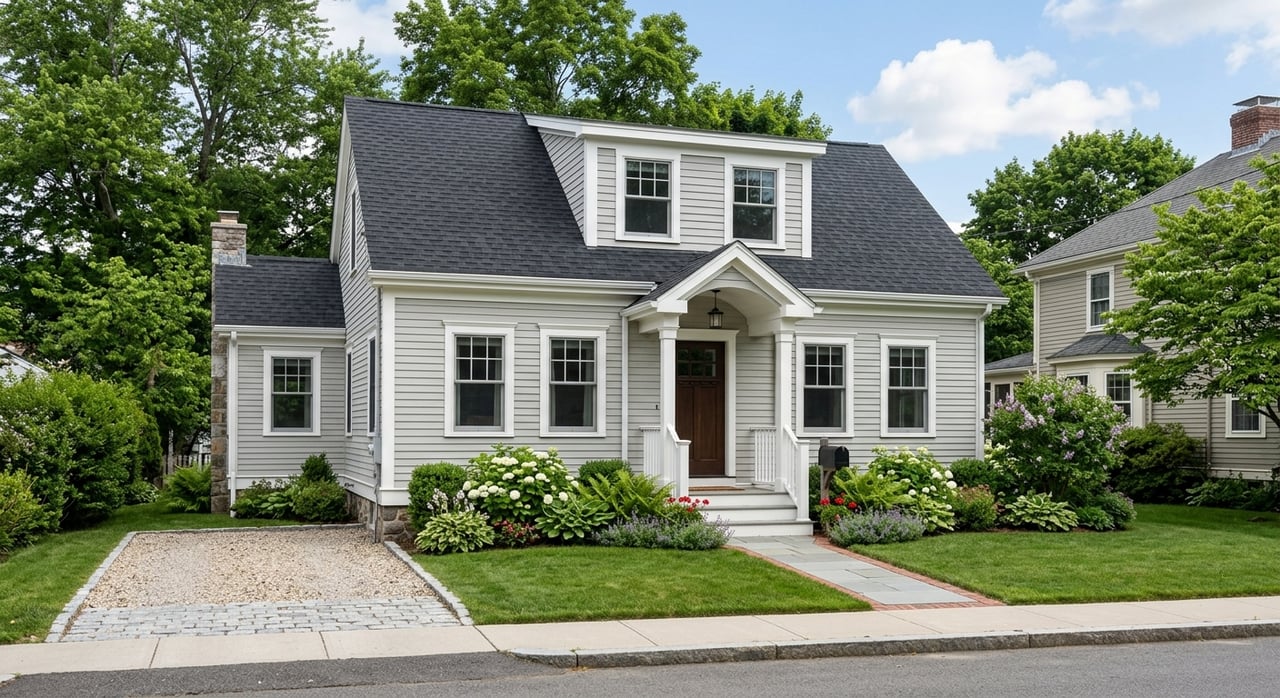
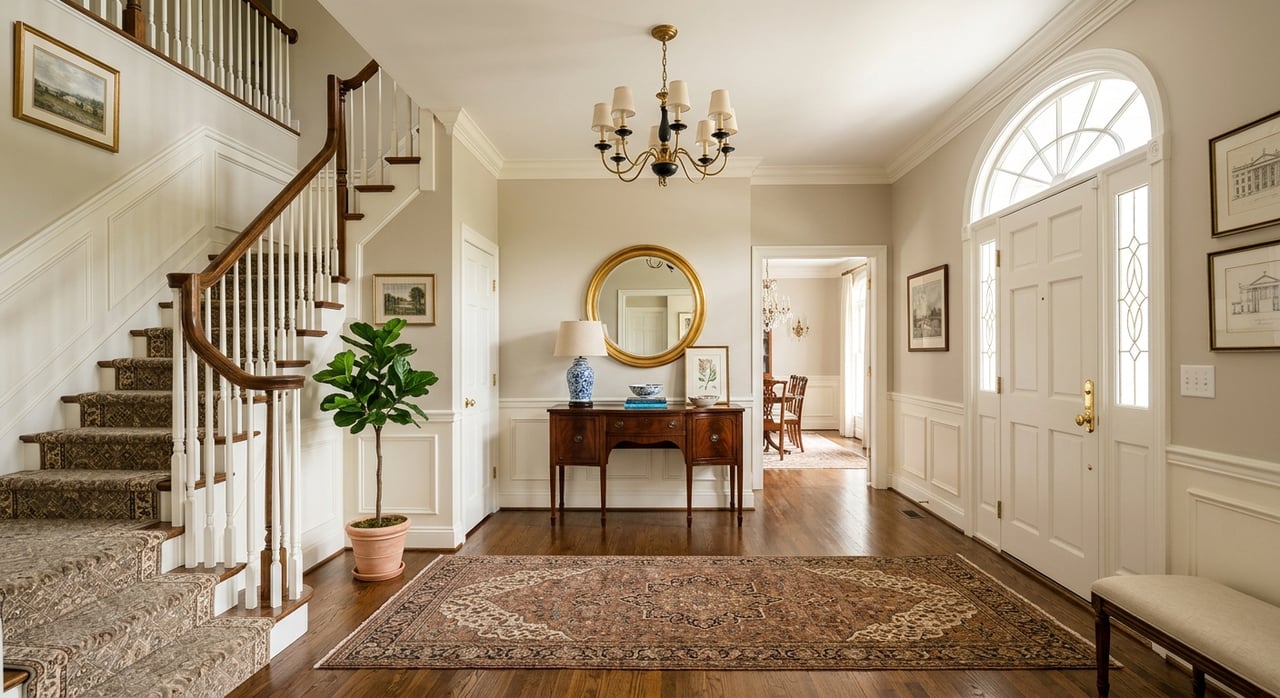
Winchester is a historic New England suburb with many late-19th and early-20th-century homes, including Victorian, Colonial Revival, and Tudor styles. You will also find mid-century ranches and selective newer infill. Most neighborhoods are single-family focused, with tree-lined streets, walkable village pockets, and moderate-to-large lots.
Large-scale new construction is limited. New housing tends to come from sensitive infill, gut renovations, small-lot subdivisions, and some condo conversions.
Housing stock comparison
Single-family character
If you value single-family neighborhoods with established landscaping, Winchester aligns well. Belmont and Arlington offer more compact lots and a higher share of multi-family near transit. Newton and Lexington share Winchester’s older single-family feel and often feature larger homes and estates in some areas.
Variety and new construction
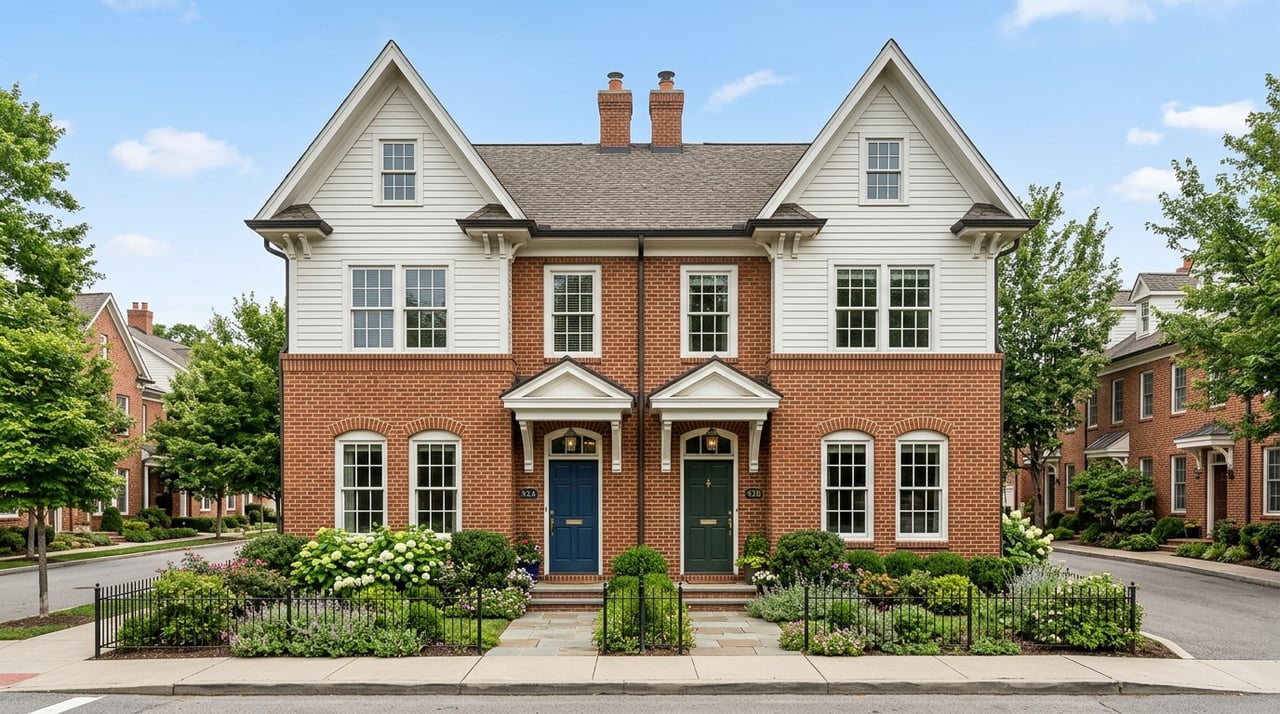
You will find more new subdivisions and townhomes in Woburn and Reading, plus shopping-oriented corridors that support newer development. Melrose and Stoneham deliver a smaller-town feel and typically more modest lots at generally lower baseline prices than Winchester. Cambridge and parts of Medford have a more urban mix with condos, rowhouses, and multifamily buildings, and less single-family inventory.
When housing style drives the choice
- Choose Winchester if you want historic character and a strong single-family environment without the density of Cambridge.
- Compare Woburn, Reading, or communities farther west if brand-new construction and entry-level options top your list.
- Look at Belmont, Cambridge, or village areas of Newton if urban amenities and short transit hops are your priority.
Price position and market dynamics
Winchester is typically in the upper-middle price tier among nearby suburbs. It is generally more expensive than Melrose, Stoneham, Woburn, and Reading, and usually below the highest-priced areas of Newton and Cambridge. Lexington ranges from similar to higher depending on the neighborhood.
Inventory can run lean, and competitive stretches often see strong sale-to-list ratios, especially in the spring. When you compare towns, focus on total cost of ownership, not just purchase price. That includes property taxes, insurance, utilities, and any condo fees.
- For verified tax information, review municipal data through the Massachusetts Department of Revenue’s Division of Local Services and your target town’s assessor pages. You can start with the DOR portal at the Division of Local Services and the Town of Winchester site at the Town of Winchester.
- For market snapshots, use your agent’s MLS reports for median sale price, days on market, and months of inventory. Cross-check any third-party dashboards with MLS data for accuracy.
Commute and transit tradeoffs
Winchester is an inner-ring suburb with commuter access by car, bus, and regional rail. Many residents rely on commuter-rail service to downtown Boston, typically connecting into North Station, with links to the MBTA subway and bus network. Check routes and schedules on the MBTA official site.
If rapid transit is your top priority, Cambridge and parts of Newton offer direct subway access and extensive bus networks. Belmont and Arlington have shorter bus connections to nearby subway lines in Cambridge. Melrose, Reading, and Woburn lean more on commuter rail and driving, with commute times shaped by proximity to stations and highways. For town-level commute time and mode share, consult the U.S. Census American Community Survey.
Schools, parks, shopping, and services
Schools and education
Public school performance is a common driver for buyers. To compare districts objectively, review official profiles and accountability reports from the Massachusetts Department of Elementary and Secondary Education. You can search town and school data by starting at the DESE School and District Profiles. Methodologies differ across private ranking sites, so rely on DESE for consistent statewide metrics.
Parks and open space
Winchester offers a network of local parks, conservation land, and community recreation. Many north-of-Boston suburbs benefit from access to larger regional open spaces, including the Middlesex Fells Reservation area shared across several nearby towns. If trail access and outdoor programs matter, compare each town’s parks and recreation offerings on their official sites.
Retail, restaurants, and errands
Winchester’s downtown village features small businesses, cafés, and restaurants. For big-box retail and a wide range of shopping, residents often head to Burlington or larger commercial corridors in Woburn and Arlington. Cambridge offers dense urban retail and dining if you want more variety.
Taxes and monthly costs
Property tax rates vary by municipality and interact with assessed values. Before you set a target budget, review:
- Municipal tax rates through the Division of Local Services
- Town assessor pages for assessments and exemptions at the Town of Winchester
Also check utility policies, trash and recycling fees, and any local debt exclusions that may affect future bills.
Healthcare and childcare
Proximity to hospitals, urgent care, and childcare centers can be a deciding factor. Availability changes frequently, so verify waitlists and service hours with local providers and town family resources pages.
Who Winchester fits best
- Families who value a suburban, single-family setting with historic character and access to regional parks and commuter options.
- Professionals who want suburban living and a commuter-rail path to downtown Boston connections.
- Buyers who prefer established neighborhoods over large new subdivisions.
You should also compare other towns if:
- Budget is tight. Look at Melrose, Stoneham, Woburn, Reading, or farther out along the Framingham corridor for more entry-level inventory.
- The shortest subway commute is the top goal. Explore Cambridge, Belmont, and village areas of Newton with stronger rapid-transit access.
- You want extensive new-construction neighborhoods. Consider Woburn, Burlington, and suburbs farther out where development is more active.
How to compare towns effectively
Use this quick checklist to narrow your search:
- Define your must-haves. List top home features, lot size, transit needs, and access to parks or retail.
- Map your commute. Compare car, bus, and rail times using the MBTA and ACS town-level data at the American Community Survey.
- Run total cost of ownership. Review local tax data via the Division of Local Services and the Town of Winchester.
- Review schools with DESE. Use the DESE School and District Profiles for current performance data and accountability reports.
- Check permit activity. Scan town building and planning pages to see current construction and renovations that may signal future supply.
- Compare housing stock. Ask your agent for neighborhood-level MLS comps to understand price per square foot and days on market by home type.
Ready to see how these tradeoffs play out in real listings and neighborhoods? Connect with the local team at JMR Real Estate Group for a tailored town-by-town comparison and on-the-ground guidance.
FAQs
What kinds of homes does Winchester offer compared to Arlington and Belmont?
- Winchester skews toward single-family homes with historic styles, while Arlington and Belmont include more compact single-family lots and a higher share of multi-family near transit.
How do Winchester home prices compare to Newton, Lexington, and Cambridge?
- Winchester is typically below the highest-priced areas of Newton and Cambridge, with Lexington ranging from similar to higher depending on neighborhood and home type.
What are Winchester’s public transit options to Boston?
- Winchester residents commonly use commuter rail to reach downtown Boston connections at North Station, with schedule details available on the MBTA official site.
How can I compare public schools across towns fairly?
- Use the Massachusetts DESE School and District Profiles for consistent statewide performance and accountability data, and review each district’s reports before relying on private rankings.
Are property taxes higher in Winchester than nearby towns?
- Property taxes vary by rate and assessed value, so compare the Massachusetts Division of Local Services data with each town’s assessor pages for an apples-to-apples view.
Is there much new construction in Winchester?
- Large-scale new construction is limited, with most new housing coming from infill, renovations, and small subdivisions; nearby Woburn and Reading tend to offer more new-build options.