Thinking about buying a small multi-family in Medford but unsure where the real opportunity lies? You are not alone. Prices can feel high, and every listing seems to move fast. With the right plan, you can still find solid 2- to 4-unit options that deliver steady rent and long-term upside. This guide walks you through local demand drivers, typical rents, simple deal math, financing paths, zoning notes, and a practical due-diligence checklist so you can act with confidence. Let’s dive in.
Why Medford works for small investors
Medford is an inner suburb of Boston with strong fundamentals. Recent U.S. Census data shows median owner values in the mid-$700k range and median gross rent in the low-to-mid $2,400s, both above state and national medians. These numbers reflect real demand and limited supply. Census QuickFacts for Medford offers a helpful snapshot.
Proximity to Boston and Cambridge, Tufts University, and the Green Line Extension have reshaped access and demand. The Green Line Extension’s Medford branch opened in December 2022, which increased interest in homes near the new stations. That stationside convenience can translate to stronger rents and resale appeal. You can read more about the Green Line Extension’s opening and impact.
Inventory for 2- to 4-unit properties is limited, and buyer competition is steady. Expect well-located, rentable small multi-families to often price in the high six to low seven figures depending on location and condition. Near Tufts, West Medford, and Medford Square, you can see premiums for updated buildings and listings close to transit.
What you will find
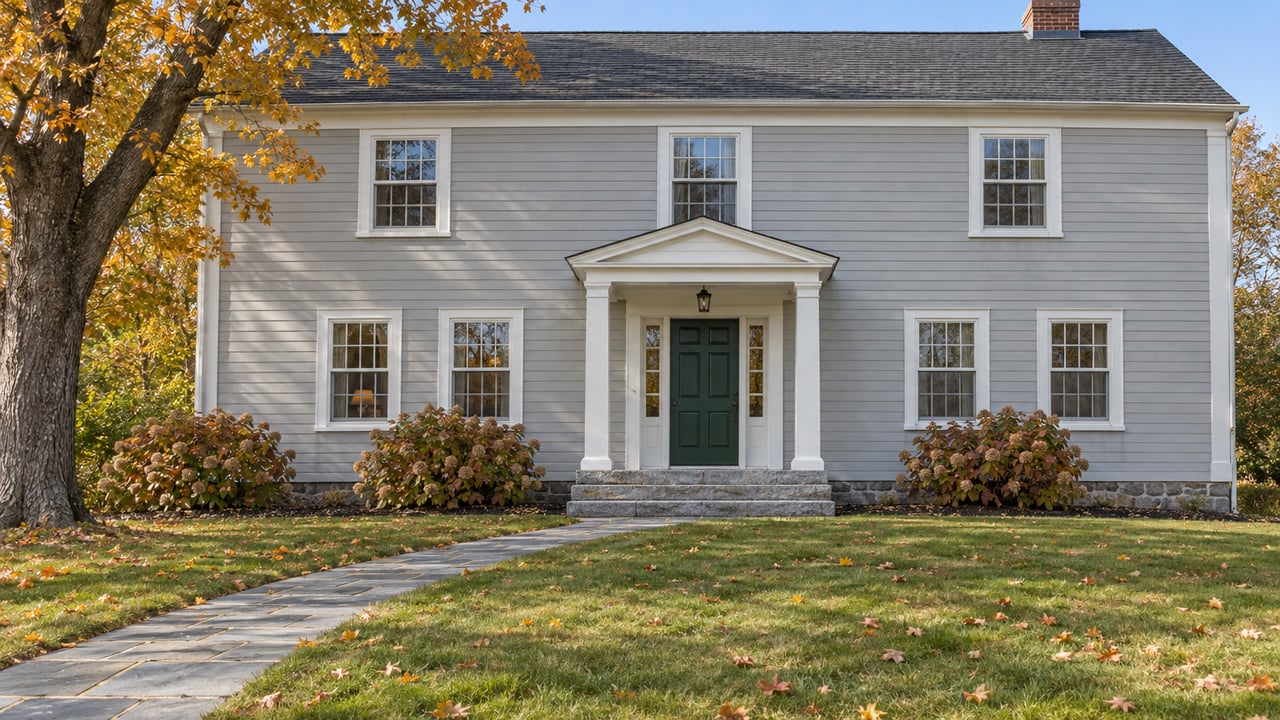
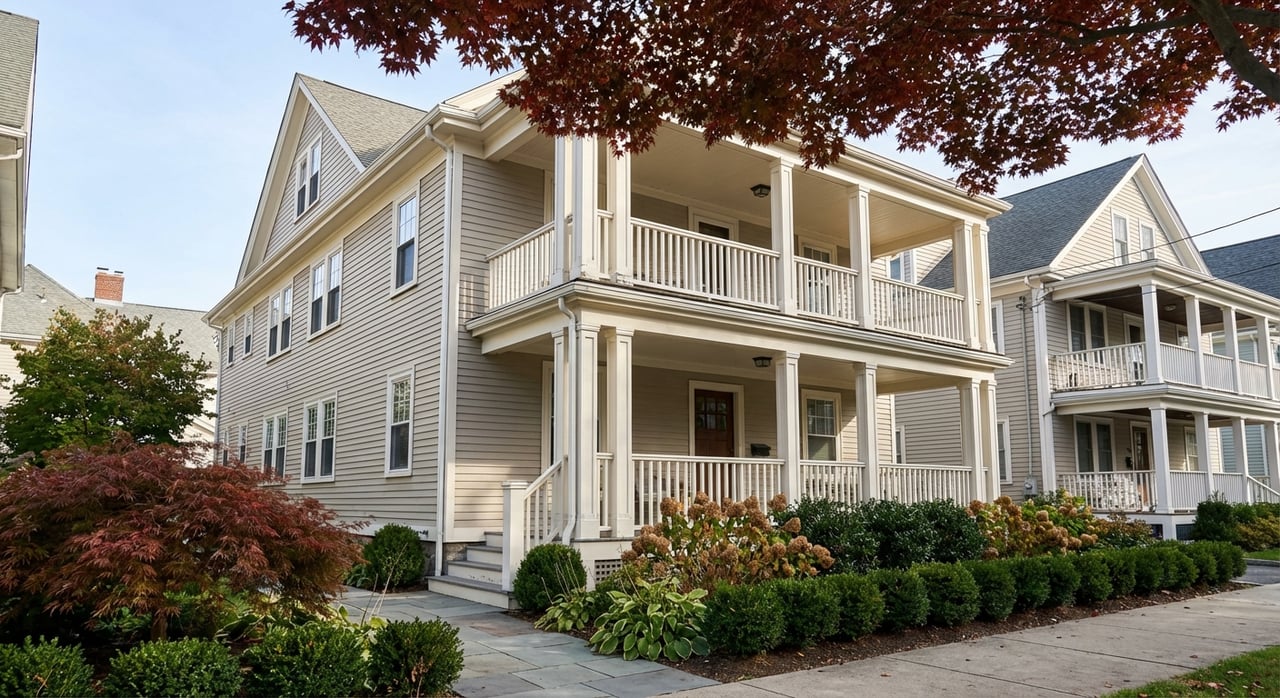
Most small multi-families in Medford are older wood-frame two- and three-family homes. You will also see classic New England triple-decker style layouts and some small four-unit walkups. Ages and systems vary, so plan for careful inspection of roofs, heating, electric, and plumbing.
Zoning updates are ongoing in Medford, including work tied to the state’s MBTA Communities requirements. These changes can affect what you can do as of right, how many units are allowed, and parking rules. Always confirm current zoning and recent amendments for a specific parcel before assuming conversion or accessory unit potential. Start with the city’s Zoning and Planning page.
Where rents are strongest
Rents vary by proximity to transit, Tufts, and amenities.
- West Medford and near Tufts: Strong demand and competition for well-renovated units, especially walk-to-transit locations.
- Medford Square and central corridors: Good walkability and services attract working professionals and renters seeking convenience.
- South Medford and Wellington/Route 16: A mix of older multifamily and newer development. Rents depend on access to transit, retail, and overall unit finish.
Citywide, market snapshots show typical ranges of low-to-mid $2,000s for 1-bedrooms, mid-$2,000s to mid-$3,000s for 2-bedrooms, and mid-$3,000s or higher for 3-bedrooms. Buildings near the Green Line or with substantial upgrades often command premiums. For recent trends, check Medford rent market data.
Run the numbers
Before you write an offer, use quick math to check viability.
- Net Operating Income (NOI) = Gross Scheduled Rent − Vacancy Allowance − Operating Expenses
- Cap Rate = NOI ÷ Purchase Price
- Gross Rent Multiplier (GRM) = Price ÷ Gross Annual Rent
- Cash-on-Cash Return = Annual Pre-Tax Cash Flow ÷ Total Cash Invested
These formulas are standard investor tools. If you want a deeper refresher, see this clear overview of cap rate and related metrics.
Underwriting assumptions
- Vacancy: Use 5 to 8 percent for Medford. Adjust by building condition and exact location.
- Expenses: Budget for taxes, insurance, owner-paid utilities, maintenance, management if not self-managed, and a capital reserve. Older wood-frame buildings often need higher reserves.
- Capex reserves: A practical range is $300 to $600 per unit per month based on age and systems. Verify property taxes with the Medford Assessor’s Office when modeling.
A simple 3-unit example
Consider a transit-adjacent 3-family asking $1,100,000. Assume market rents of $2,200, $2,600, and $3,000 per month. That is $7,800 monthly, or $93,600 annually. With a 6 percent vacancy factor, your effective gross is about $88,000.
If total operating expenses land at 40 to 50 percent of effective gross, your NOI would be roughly $44,000 to $53,000. At a $1.1M price, that implies a cap rate around 4.0 to 4.8 percent. In a high-demand inner suburb, this is common, which is why investors focus on both yield today and rent growth or value-add upside over the next one to three years. Use live rents and the exact tax bill for a final model.
Financing options
If you plan to live in one unit, you can often use low down payment products on 1- to 4-unit properties. For example, FHA 203(b) allows qualifying owner-occupants to buy 2- to 4-unit homes with a low down payment, subject to program rules and county loan limits. Review the FHA 203(b) program summary and check current limits.
Non-owner options, such as DSCR or portfolio loans, typically require larger down payments and stricter underwriting. Lender policies vary, so start conversations early and compare scenarios across products. For a quick take on underwriting for 2- to 4-unit purchases, see these FHA small-multifamily guidelines.
Value-add ideas that work
Thoughtful improvements can lift rents and stabilize your asset.
- Update kitchens and baths, and add in-unit laundry where feasible.
- Legalize or clarify unit layouts and occupancy where prior work was informal.
- Re-meter or separate utilities to reduce owner-paid costs when possible.
- Explore a small accessory dwelling unit or a basement conversion only if current rules allow it. Medford is actively updating zoning, so always confirm feasibility on the city’s Zoning and Planning page before budgeting additions.
Compliance and due diligence
Older small multi-families can carry regulatory risk. Build this checklist into your offer and inspection timeline.
- Lead paint: Massachusetts has strong lead laws for pre-1978 housing. If a child under six lives in the unit, deleading or interim controls may be required. Document disclosures and any deleading history. Learn more under Massachusetts landlord-tenant law.
- State Sanitary Code: Ensure smoke and CO detectors, egress, heat, hot water, and other habitability items comply with 105 CMR 410. Medford enforces the code locally. Plan for compliance before leasing.
- Permits and inspections: Pull records for structural, plumbing, electrical, and mechanical work. Unpermitted conversions often surface during sale.
- Taxes, liens, and bills: Confirm tax amounts with the Assessor’s Office. Check for water, sewer, and other municipal liens with the city’s Treasurer/Collector.
Quick document checklist
- Verified rent roll and copies of all leases for at least 12 months.
- Utility setup and recent billing history, including meter separation.
- Seller’s repair receipts and a small-multifamily inspection report.
- Zoning district confirmation, open permits, and any building code violations.
- Lead history and compliance documents; smoke and CO certificates.
- Property tax bill, abatement history, and confirmation of no outstanding municipal liens.
How a local team helps you win
Local experience can be the difference between a strong offer and a costly miss. A team that knows Medford’s streets, GLX-adjacent blocks, and rent micro-markets can help you price, underwrite, and negotiate with confidence. The right advisor will bring recent 2- to 4-unit comps, verify rent rolls, coordinate lender preapproval, and build a 12- to 36-month cash flow plan that bakes in vacancy, reserves, and realistic lease-up timelines.
As a boutique team active across Winchester, Medford, Arlington, and nearby Middlesex County towns, we pair investor-minded analysis with hands-on service. If you want help targeting the best streets, confirming zoning and permit history, and mapping a value-add plan that fits your budget, we are here.
Ready to explore Medford multi-family opportunities? Reach out to JMR Real Estate Group for a friendly, data-informed consultation.
FAQs
What makes Medford attractive for 2- to 4-unit investing?
- Strong rents, proximity to Boston and Cambridge, Tufts University demand, and the Green Line Extension’s added transit access support stable occupancy and long-term value.
What are typical Medford rents for small multi-family units?
- Market snapshots show roughly low-to-mid $2,000s for 1-bedrooms, mid-$2,000s to mid-$3,000s for 2-bedrooms, and mid-$3,000s or higher for 3-bedrooms, with premiums near transit and Tufts.
How should I estimate expenses on an older Medford triple-decker?
- Use a 5 to 8 percent vacancy factor and budget for taxes, insurance, owner-paid utilities, maintenance, management if needed, and a $300 to $600 per unit monthly reserve depending on systems and age.
Can I buy a Medford 3-family with a low down payment if I live in one unit?
- Yes, many owner-occupants use FHA or conventional products for 2- to 4-unit homes, subject to program rules and loan limits. FHA 203(b) is a common path for qualifying buyers.
What zoning checks matter before adding an accessory unit in Medford?
- Confirm your property’s zoning district, current by-right uses, parking rules, and any recent local amendments. Start with the city’s Zoning and Planning resources and confirm with the building department.
What are the top due-diligence documents to request on a Medford multi-family?
- Ask for the rent roll, leases, utility setup, recent repairs, inspection reports, zoning and permit history, lead compliance documents, and the latest property tax bill plus any lien confirmations.