If you are thinking about selling in Belmont, it can be tempting to look at one townwide price number and assume your home will follow the same path. In reality, Belmont is a market where micro-location, property type, and presentation can shape your result just as much as overall demand. The good news is that with the right pricing strategy and smart preparation, you can put your home in a strong position before it hits the market. Let’s dive in.
Belmont pricing starts small
Belmont remains a competitive market, but that does not mean every home should be priced aggressively in the same way. Realtor.com’s March 2026 snapshot labeled Belmont a seller’s market, with a median listing price of $1,572,450, median days on market of 12, and a 99% sale-to-list ratio. That kind of demand can work in your favor, but it does not remove the need for precision.
A closer look at local numbers shows why. The Massachusetts Association of REALTORS® April 2026 Belmont report showed single-family homes with a year-to-date median sales price of $1,737,000 and 100.4% of original list price received. Condos told a different story, with a year-to-date median sales price of $1,034,500, 81 cumulative days on market, and 98.4% of original list price received.
That difference matters when you are setting a list price. If you price a condo like a detached home, or use a broad town average instead of recent comparable sales, you can miss the market. In Belmont, exact pricing usually comes from nearby comps with similar style, condition, and location, not from a single headline number.
Neighborhood location changes value
Belmont is not one uniform market. Realtor.com’s neighborhood snapshot shows a wide price spread, with median listing prices around $2,415,000 in Belmont Hill, $1,522,500 in Belmont Center, $1,192,450 in Cushing Square, and $834,900 in Waverley Square. That range shows how much exact location inside town can affect value.
Belmont Center, Cushing Square, and Waverley Square are all active commercial hubs identified by the town. Buyers often pay attention to how a home relates to these areas, as well as to commuter access, lot setting, and neighborhood feel. Even within the same town, two homes with similar square footage can attract very different pricing depending on where they sit.
This is one reason a Belmont pricing strategy should start with the block or neighborhood level. A home near Belmont Hill may compete with a very different buyer pool than one near Waverley Square. When you price from the right local lane, you give yourself a better chance of generating early attention and strong offers.
Belmont character affects prep
Belmont has many late-19th- and early-20th-century neighborhoods, and the town notes distinct areas such as Belmont Hill, Clark Hill, and Belmont Park/Payson Park for their lot patterns, streetscapes, landscaping, and architectural character. For you as a seller, that means buyers may pay close attention to more than just kitchen finishes or bedroom count. Exterior condition, stone walls, mature landscaping, and preserved details can all shape first impressions.
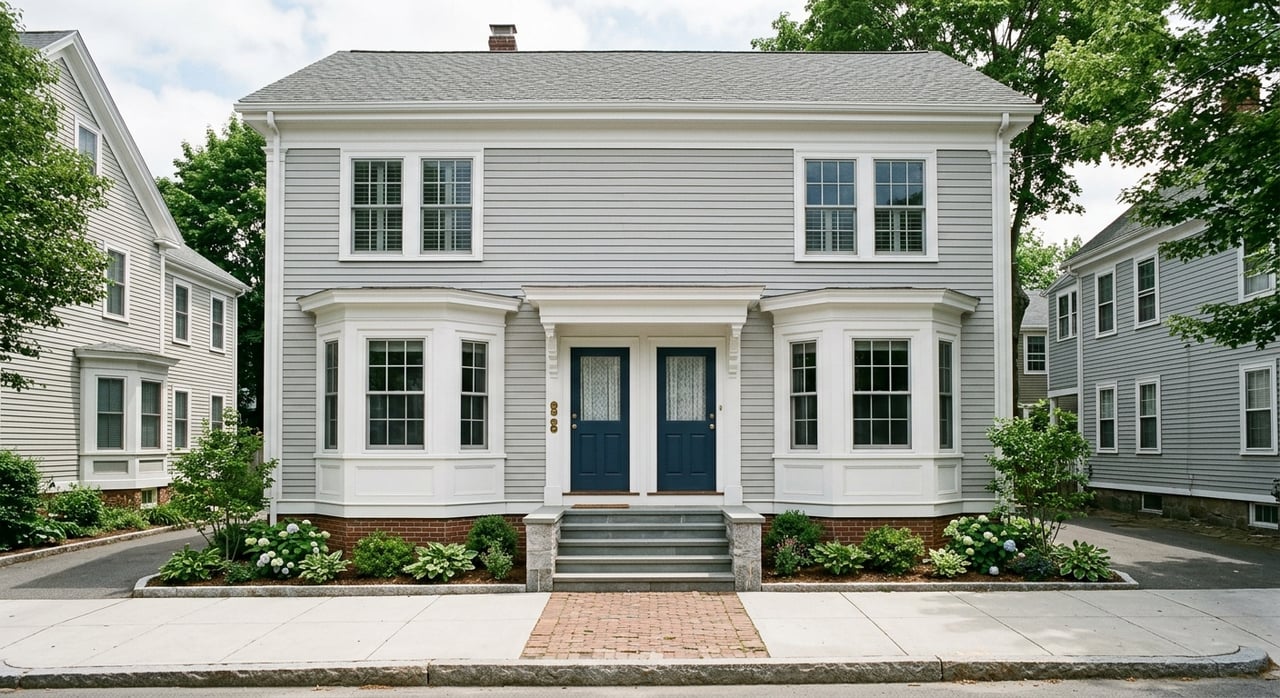
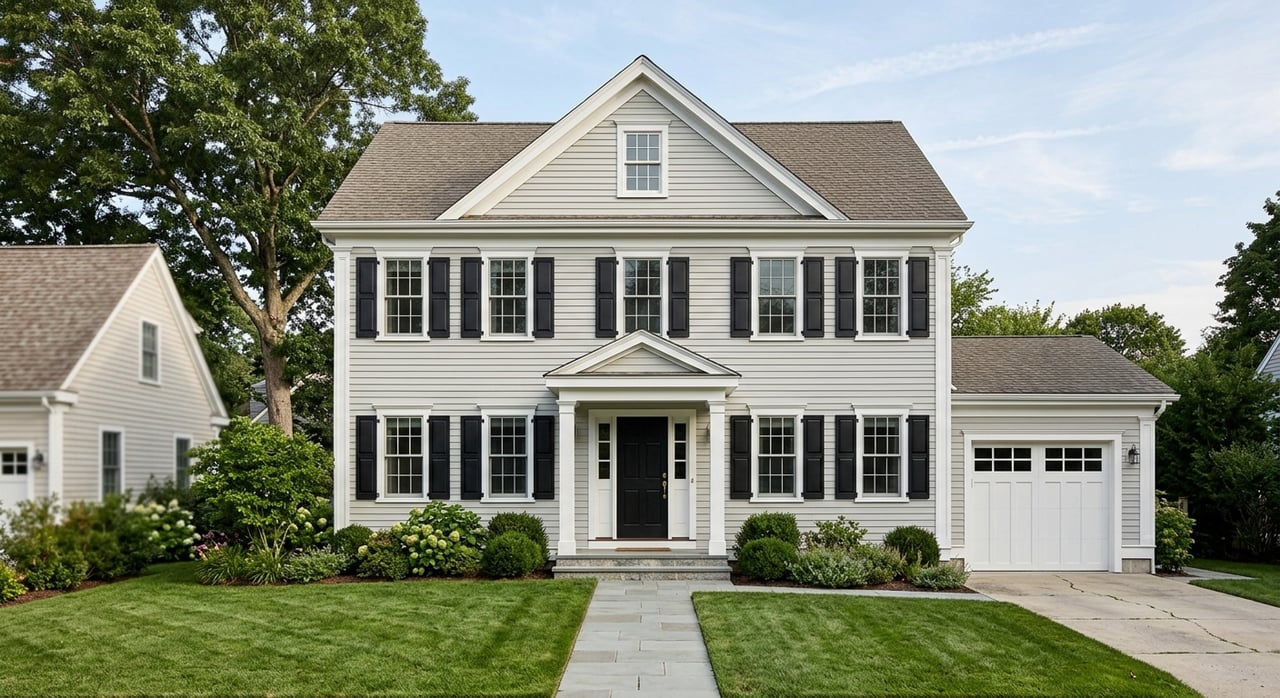
In neighborhoods with older homes, buyers often respond well to a property that feels cared for and true to its style. A clean colonial, a tidy porch, restored trim, or a well-maintained entry can do a lot of work before someone even steps inside. In Belmont, presentation often performs best when it highlights the home’s strengths rather than trying to disguise its age with a rushed remodel.
If your home is in a local historic district or subject to historic-review protections, verify whether visible exterior changes need review before making updates. That is especially important if you are considering replacing windows, doors, trim, or other exterior architectural features. Checking early can help you avoid delays and wasted spending.
Focus on curb appeal first
When sellers ask where to start, curb appeal is usually the right answer. National Association of REALTORS® research found that 92% of REALTORS® recommend curb appeal improvements before listing, and 97% say curb appeal is important to attracting a buyer. That aligns closely with Belmont, where many homes have visible front entries, mature yards, decks, patios, and traditional exterior details.
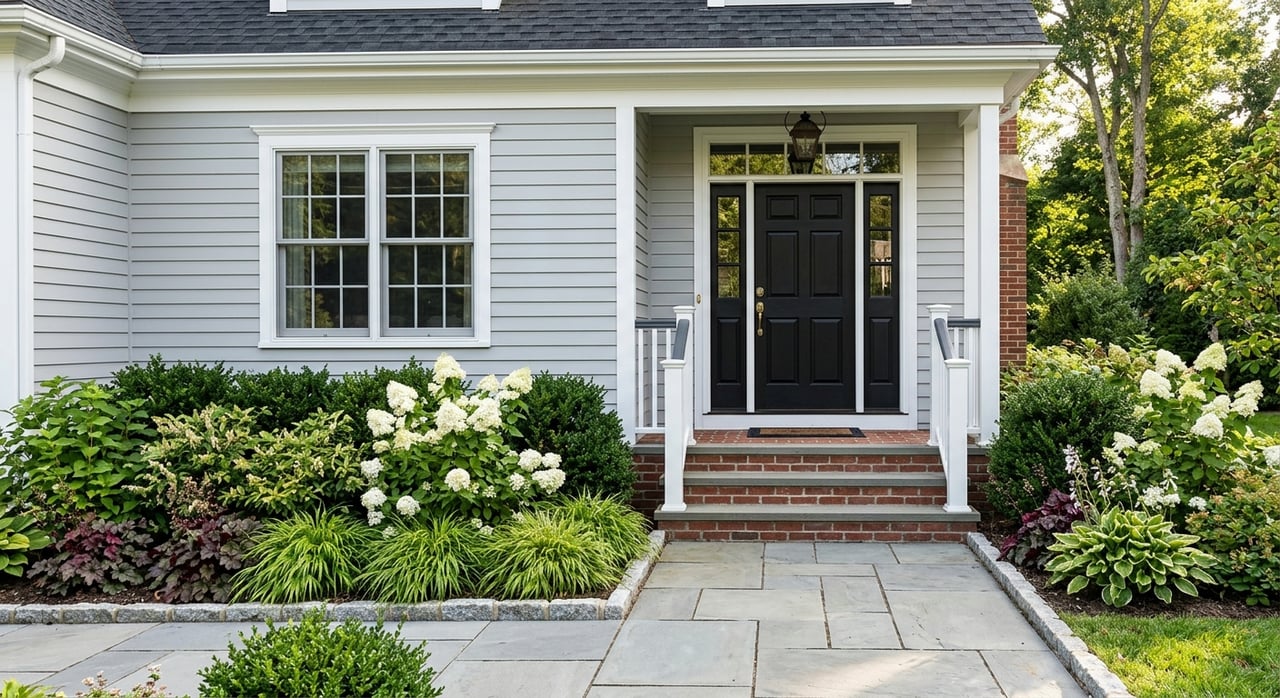
You do not always need a major project to make a strong difference. In many cases, buyers respond to simple signs of maintenance and care. That can include fresh mulch, trimmed shrubs, clean walkways, working exterior lights, a tidy driveway, and a front door that looks polished and welcoming.
If your property includes stone walls, established landscaping, or outdoor living areas, make those features feel intentional. Sweep patios, clear leaves, pressure wash hard surfaces if needed, and remove visual clutter. In a town where exterior character can support value, the outside of your home deserves as much attention as the inside.
Choose updates with care
Before selling, it is easy to wonder whether you should renovate. Usually, the better question is which updates are most likely to improve marketability without overcapitalizing. The 2025 Remodeling Impact Report found strong resale cost recovery for projects such as a new steel front door, fiberglass front door, and window replacements, while kitchen upgrades and basement conversions also offered measurable return.
That said, Belmont sellers often benefit most from selective improvements instead of heavy remodeling. A fresh coat of paint, updated lighting, repaired trim, cleaned grout, or a modest kitchen or bath refresh can improve the overall feel without erasing the home’s personality. For many older Belmont homes, a clean and well-maintained presentation is more effective than a highly customized renovation completed just before listing.
If you are deciding where to spend, start with visible repairs and anything that may distract buyers. Peeling paint, worn hardware, stained ceilings, or dated light fixtures can pull attention away from the home’s best features. Practical fixes often produce a better return than dramatic design choices.
Staging helps buyers connect
Staging remains one of the most useful selling tools. In NAR’s 2025 Profile of Home Staging, 83% of buyers’ agents said staging made it easier for buyers to visualize a property as a future home. Sellers’ agents also reported that staging can reduce time on market, and some said it increased the dollar value offered by 1% to 10%.
That matters in Belmont, where buyers may be comparing homes with very different layouts, ages, and updates. Good staging helps them understand room scale, furniture placement, and how the home lives day to day. It also helps listing photos stand out, which is important because buyers’ agents rated photos, videos, virtual tours, and traditional staging as important listing assets.
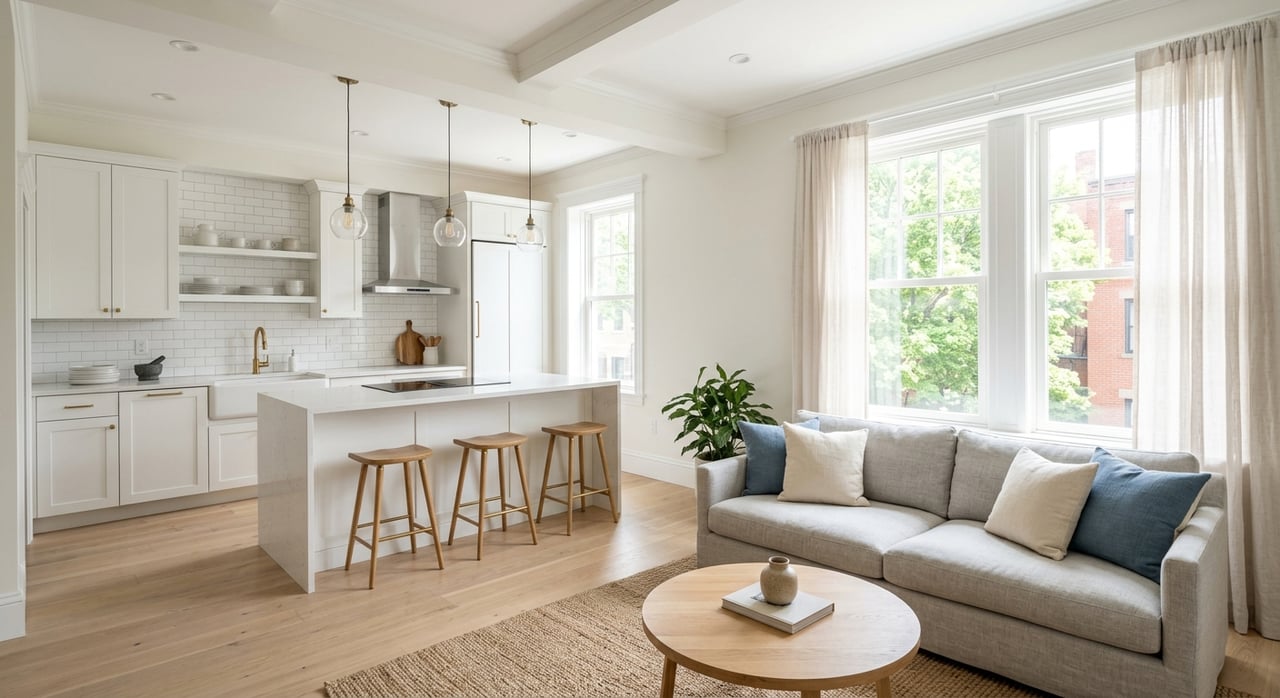
You do not need to over-style the house. Aim for clean, bright, and easy to read. Declutter surfaces, remove bulky furniture, and create a balanced look that lets buyers focus on light, flow, and architectural features.
Price for momentum, not wishful thinking
One of the biggest mistakes sellers make in a strong market is assuming they can “test” a higher number without consequence. In Belmont, where homes can move quickly, your early days on market carry a lot of weight. If the price feels off, buyers notice, and momentum can fade fast.
A sharper strategy is to price based on recent, relevant comparables and the current competition in your segment. That means comparing a single-family home to similar single-family homes nearby, and a condo to nearby condos with similar size, condition, and amenities. It also means accounting for whether your home is in Belmont Hill, near Belmont Center, close to Cushing Square, or in the Waverley area.
The best list price should invite strong interest from qualified buyers while leaving room for the market to respond. In a town where single-family homes have recently received more than 100% of original list price on average, the right starting number can create the competition you want. The wrong number can do the opposite.
Timing still matters in Belmont
Nationally, Realtor.com identified April 12 through 18 as the prime week to sell in 2026, with homes listed then historically receiving 16.7% more views and selling about nine days faster. But even that report notes that local timing should be adjusted based on property type and competition. In Belmont, that is especially true because condos and single-family homes can move differently.
Your ideal timing may depend on more than seasonality. It may also hinge on when competing inventory is expected, how much prep work your home needs, and whether carrying costs make waiting less attractive. Belmont’s FY2026 property tax rate is $11.51 per $1,000 of assessed value, and the town also applies a Community Preservation Act surcharge.
Those costs can influence whether listing sooner makes more financial sense. If your home is market-ready or close to it, waiting for a perfect week may not be as helpful as launching with the right price and presentation when competition is manageable.
Do not overlook seller compliance
Preparation is not only about looks. Massachusetts sellers should also plan for required steps that can affect timing. For homes built before 1978, the state requires compliance with property-transfer lead-paint notification rules.
If you are selling a one- or two-family home, smoke and carbon monoxide alarm compliance also deserves attention early in the process. Confirming that before you are under contract can help reduce last-minute stress and avoid closing delays. These are simple items to address when you build them into your selling timeline from the start.
A practical Belmont selling plan
If you want a clear roadmap, focus on the steps that usually matter most in Belmont:
- Review recent comps by neighborhood and property type
- Evaluate your home’s curb appeal and exterior condition
- Prioritize visible repairs and light cosmetic updates
- Declutter and stage key living spaces
- Check whether exterior changes need historic review
- Plan ahead for lead-paint and alarm compliance if applicable
- Launch with a price designed to create early momentum
Selling well in Belmont is usually not about doing everything. It is about doing the right things in the right order. With careful pricing and thoughtful preparation, you can present your home in a way that matches what local buyers are actually looking for.
If you are getting ready to sell and want hands-on guidance with pricing, prep, and a smart go-to-market plan, JMR Real Estate Group is here to help.
FAQs
How should you price a home in Belmont, MA?
- The strongest approach is to use recent comparable sales based on your specific neighborhood, property type, condition, and location within Belmont, rather than relying on one townwide average.
What home improvements matter most before selling in Belmont?
- Curb appeal, exterior maintenance, decluttering, paint, lighting, and minor kitchen or bath refreshes are often the most useful pre-listing improvements for Belmont sellers.
Does neighborhood location affect Belmont home value?
- Yes. Research shows a wide range in median listing prices across areas such as Belmont Hill, Belmont Center, Cushing Square, and Waverley Square, so exact location can materially affect value.
Should you stage a Belmont home before listing?
- Staging can help buyers visualize how the home lives, improve photos and marketing, and may reduce time on market, which is especially helpful in a competitive area like Belmont.
What seller requirements should Belmont homeowners check early?
- If your home was built before 1978, review Massachusetts lead-paint notification requirements, and if you are selling a one- or two-family home, confirm smoke and carbon monoxide alarm compliance early.
When is the best time to sell a home in Belmont?
- Spring often brings strong attention, but the best timing depends on your property type, current competition, preparation timeline, and carrying costs such as property taxes and the Community Preservation Act surcharge.