If you are looking at condos or small multi-family properties near Boston, Watertown probably keeps coming up for good reason. It offers inner-suburb access, a wide mix of housing types, and pricing that can look more approachable than some nearby towns, even in a competitive market. If you want to understand what is really driving value here, this guide will help you read the Watertown market with more confidence. Let’s dive in.
Why Watertown stands out
Watertown is a compact city of about 4.1 square miles, roughly six miles northwest of Boston along the Charles River. That location matters because buyers and investors are not just comparing square footage here. They are also weighing commute access, bus connections into Cambridge and downtown Boston, and proximity to major roads.
The market also moves quickly. Public market trackers show homes going pending in about 8 days on one platform, with median time to sale around 19 days on others. That does not mean every property behaves the same way, but it does tell you Watertown tends to reward buyers and sellers who are prepared.
Watertown market snapshot
Watertown sits in an expensive but still competitive position among inner-suburb communities. Public pricing measures place the overall market from the mid-$800,000s to high-$900,000s, depending on the source and method used. Zillow reports an average home value of $842,508 and a median sale price of $845,083, while Redfin reported a March 2026 median sale price of $967,000.
The rental side is also strong. Census data shows a median gross rent of $2,502 for 2020 through 2024, while newer rental portals put current average or median asking rents around $3,000. That matters if you are comparing a condo purchase to renting, or evaluating a small multi-family for income potential.
Housing stock shapes your options
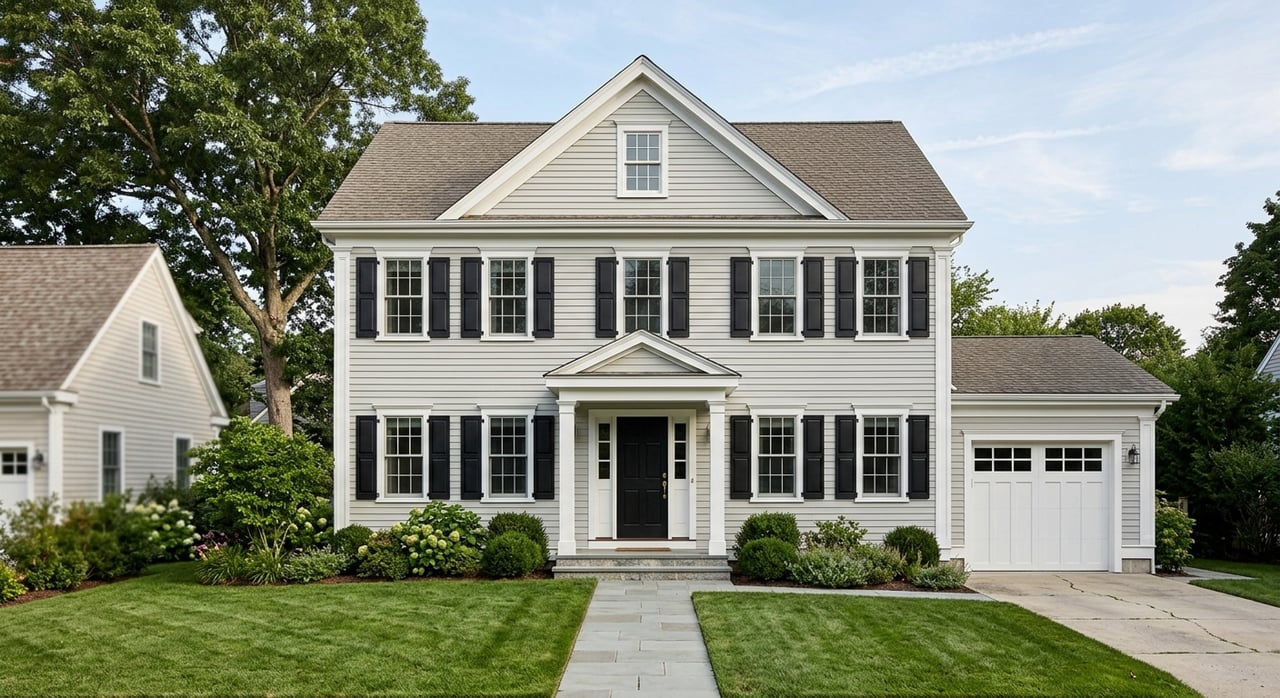
One of the biggest reasons Watertown feels different from some nearby suburbs is its housing mix. According to Housing MA, only 33.6% of the housing stock is single-unit, while 43.16% is in 2-to-4-unit buildings. Another 16.1% is in buildings with 20 or more units.
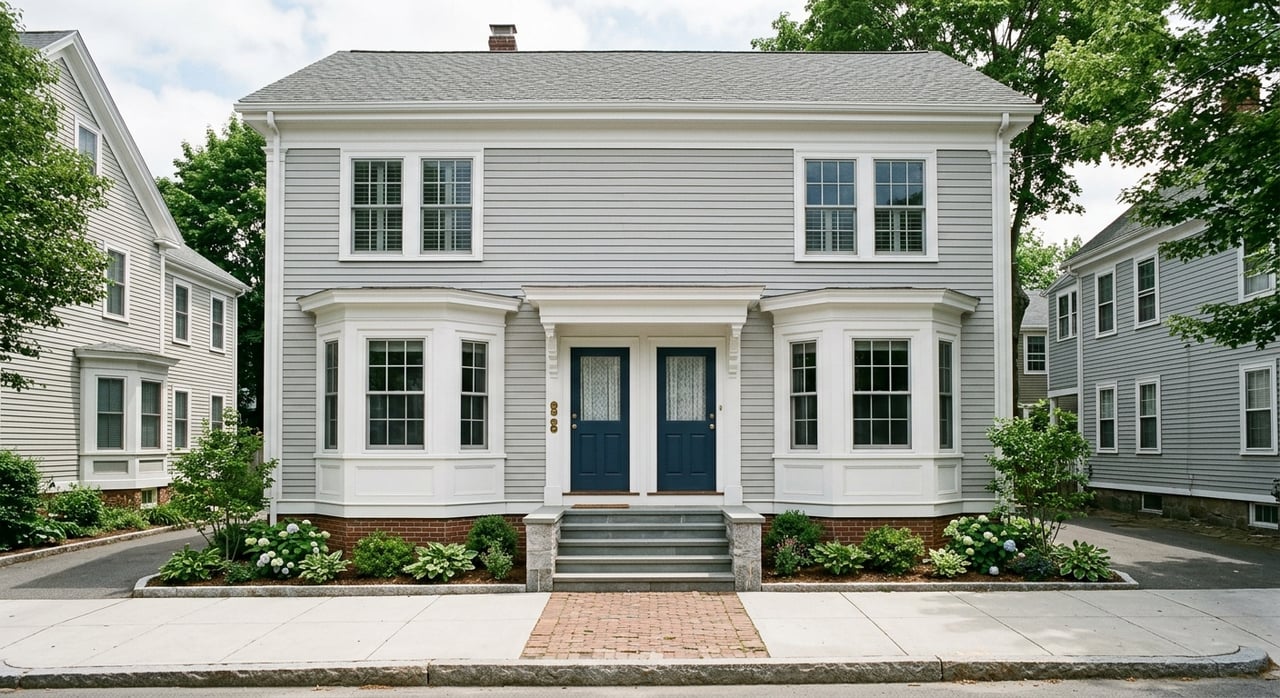
That means condos and small multi-family homes are not a niche here. They are a major part of what buyers are actually shopping for. It also helps explain why you will see everything from converted two-family units to apartment-style condos in managed buildings.
Nearly half of Watertown’s housing units, about 48.1%, were built before 1939. Older housing can offer space, character, and established locations, but it can also create big differences from one listing to the next in layout, updates, parking, and maintenance needs.
What condo buyers should know
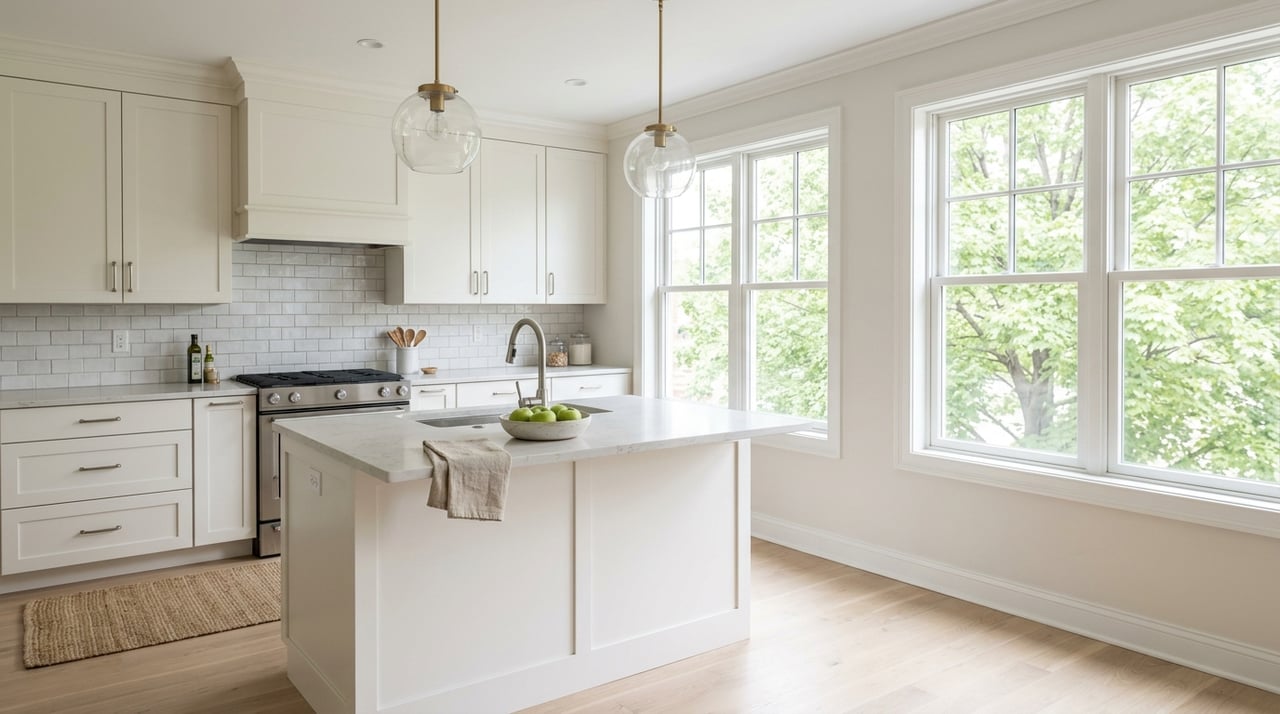
The condo market in Watertown is broad enough that two listings with similar prices may offer very different lifestyles. Current search pages show condo inventory with examples ranging from 2 to 4 bedrooms and about 738 to 2,142 square feet. Redfin’s condo search also showed 30 condos for sale with a median listing price of $699,000.
That range matters because a Watertown condo is not always a classic mid-rise unit. In many cases, it may be a floor-through or townhouse-style home carved from an older multi-unit property. In other cases, it may be a more conventional unit in a managed building.
When you compare condo options, focus on the details that most affect daily life and resale value:
- Building style and layout
- Age and condition of major systems
- Parking availability
- Outdoor space or shared yard access
- Storage
- HOA structure and monthly fees
- Location relative to transit, major roads, and commercial hubs
In a market like Watertown, those property-level details can matter just as much as the list price.
What multi-family buyers should know
Small multi-family opportunities in Watertown are highly specific to each building. Public listing examples show pricing well above entry-level single-unit housing in many cases, including a Realtor.com example at $1.599 million for a 7-bedroom, 3-bath, 2,890-square-foot property. That does not define the whole segment, but it does show how quickly values can rise when a property offers size and flexibility.
For buyers considering a 2-to-4-unit property, valuation is rarely simple. Condition, parking, lot size, layout, and future use potential often drive pricing more than a broad townwide average. A well-located property near major amenities may compete very differently from a similar-sized building on a less convenient street.
If you are comparing multi-family options, pay close attention to:
- Overall building condition
- Unit sizes and layout efficiency
- Basement and storage utility
- Off-street parking
- Outdoor space
- Proximity to transit and commercial areas
- Whether the property feels turnkey or update-heavy
For small investors and owner-occupants alike, Watertown rewards careful building-by-building analysis.
Watertown Square matters
Watertown Square is one of the clearest planning stories in town, and it is worth watching if you are thinking long term. The city’s 167-acre Watertown Square Area Plan covers the traditional downtown along Main, Galen, Arsenal, North Beacon, and Mt. Auburn streets. The stated goals include safer walking, biking, and transit access, more open space, improved Charles River access, support for small businesses, historic preservation, and expanded housing options.
For buyers, that matters because planning changes can influence convenience, traffic patterns, streetscape feel, and future housing supply. It does not mean overnight transformation, but it does suggest that location near the Square may continue to be an important piece of the value conversation.
The city also states that Watertown is compliant with the MBTA Communities law, with zoning capacity for 1,701 by-right multi-family units. The city is clear that this reflects zoning capacity, not guaranteed construction. In practical terms, future supply may grow around key areas, but not automatically and not all at once.
Arsenal Yards supports demand
Arsenal Yards is another major factor, especially in East Watertown. It has developed as a mixed-use hub with retail, entertainment, residences, office space, open space, a specialty grocer, and a cinema. That kind of amenity cluster can have an outsized effect on how buyers and renters view nearby housing.
The city also highlights bus and express-bus connections, BlueBike stations, and access to the Charles River bike path. Together, these features support demand for homes near Arsenal Street and nearby corridors. For many buyers, convenience and lifestyle access are a real part of the value equation.
How Watertown compares nearby
Watertown often appeals to buyers who want to stay close to Boston and Cambridge without paying the highest prices in the inner-suburb market. Zillow places Watertown’s average home value at $842,508, compared with about $832,055 in Waltham, $1,041,988 in Cambridge, roughly $1,103,220 in Arlington, $1,478,947 in Belmont, and $1,552,051 in Newton.
That puts Watertown in an interesting middle position. It is not a bargain market, but it can look relatively attainable when compared with several nearby high-cost towns. For condo buyers and small multi-family buyers, that middle-ground pricing is part of the appeal.
Why exact location matters
Watertown is not a market where the town name alone tells you enough. The research points to stronger rental appeal in walkable, amenity-rich pockets near Arsenal Yards, East Watertown, and Watertown Square. Elsewhere, older two- to four-family buildings may compete more on size, parking, and condition.
That means one street can offer a noticeably different buyer experience from another. A condo near active commercial areas and transit may attract one type of demand, while a larger converted unit in a quieter pocket may appeal for entirely different reasons. The same is true for small multi-family buildings.
What this means for buyers
If you are buying a condo in Watertown, expect variety. You may find smaller starter options, larger converted-house units, or apartment-style homes with building management. The right choice depends on how you balance price, maintenance, layout, and location.
If you are buying a small multi-family, be ready to underwrite the property itself, not just the neighborhood. Watertown’s housing stock is older and diverse, so the quality of updates, parking setup, and building flow can strongly affect both day-to-day use and long-term value.
In either case, speed matters. In a market where listings can move quickly, it helps to know your priorities before you start touring properties.
What this means for sellers
If you own a condo or small multi-family in Watertown, the local story can work in your favor. Buyers are already drawn to the area’s access, multi-unit housing stock, and position relative to nearby higher-priced towns. Your job is to make it easy for them to understand where your property fits.
For condo sellers, that often means presenting the home clearly around layout, storage, parking, and monthly ownership structure. For multi-family sellers, buyers usually want a clean picture of condition, scale, and the practical benefits of the building. In both cases, pricing should reflect the exact property type and street-level context, not just a broad town average.
If you want guidance on how your Watertown condo or small multi-family fits today’s market, JMR Real Estate Group can help you evaluate the local landscape with a personalized, data-driven approach.
FAQs
What is the Watertown condo market like right now?
- Watertown’s condo market is competitive and varied, with public search pages showing about 30 condos for sale at a median listing price of $699,000 and a wide range of sizes and layouts.
What makes Watertown attractive for multi-family buyers?
- Watertown has a high share of 2-to-4-unit housing, strong commuter access, and rental demand supported by locations near Watertown Square, East Watertown, and Arsenal Yards.
How fast do homes sell in Watertown, MA?
- Public market trackers report quick activity, with one portal showing homes going pending in about 8 days and others reporting a median of about 19 days to sell.
How does Watertown compare with nearby towns on price?
- Watertown is often priced below nearby Cambridge, Arlington, Belmont, and Newton on broad home-value measures, which can make it appealing to buyers looking for inner-suburb access at a comparatively lower price point.
Why does location matter so much in the Watertown housing market?
- In Watertown, building type, street location, transit access, parking, and proximity to hubs like Watertown Square and Arsenal Yards can all shape value as much as the town name itself.