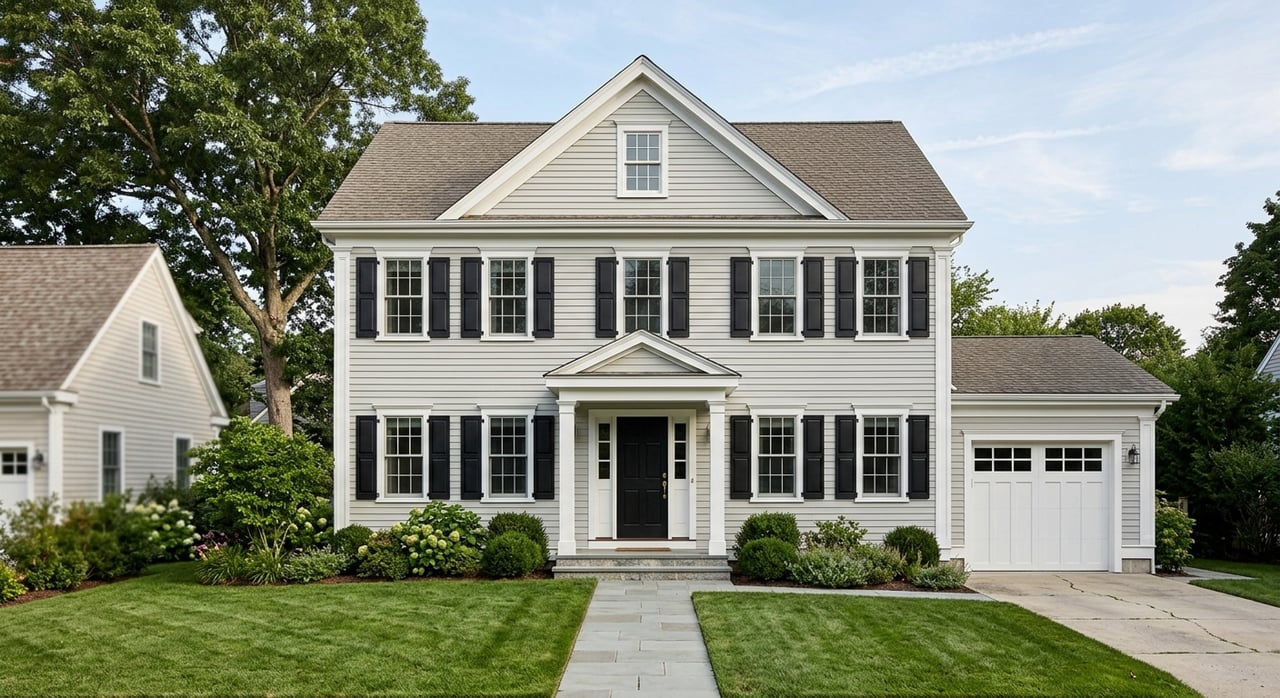
Thinking about a move to Stoneham? If you want a town that offers suburban neighborhoods, strong access to Boston, and easy ways to enjoy the outdoors, Stoneham deserves a closer look. Whether you are buying your first home, looking for more space, or considering a lower-maintenance condo, this guide will help you understand what everyday life in Stoneham can really look like. Let’s dive in.
Stoneham at a glance
Stoneham is a suburban town in Middlesex County located less than 10 miles northwest of Boston. The latest Census QuickFacts estimate puts the population at 24,550, with a 71.0% owner-occupied housing rate, a median owner-occupied home value of $671,900, and a median gross rent of $2,035. Recent Redfin data showed a median sale price of $674,652 in April 2026.
Those numbers point to a town with a strong owner-occupied base and pricing that lines up with many established Greater Boston suburbs. Stoneham’s own planning materials describe it as a largely built-out community with residential neighborhoods, open space, and roadways that connect in multiple directions. In practical terms, that means you get a suburban setting with day-to-day convenience and useful regional access.
Stoneham homes and housing options
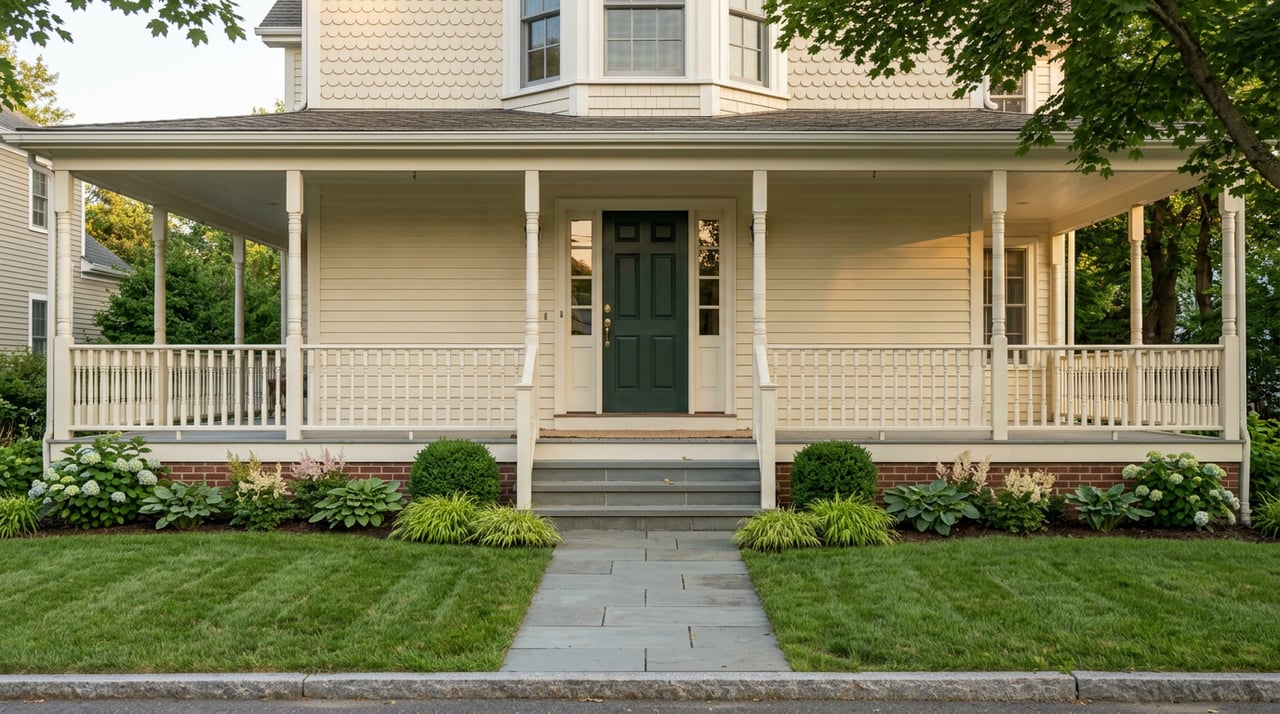
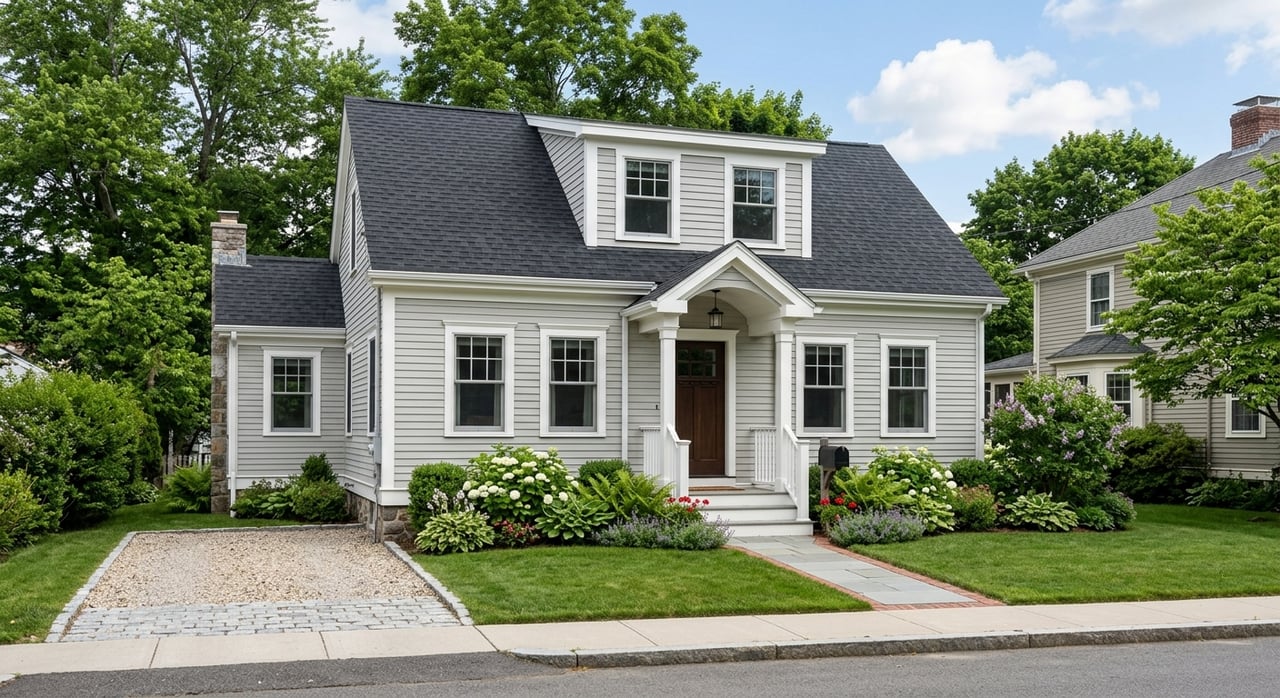
Stoneham’s housing stock leans heavily toward established suburban homes rather than large pockets of new construction. More than half of the town’s housing units are detached single-family homes, and roughly 80% of homes have one to three bedrooms. If you picture tree-lined streets with older homes and a mix of traditional layouts, that is generally the character the town’s housing data supports.
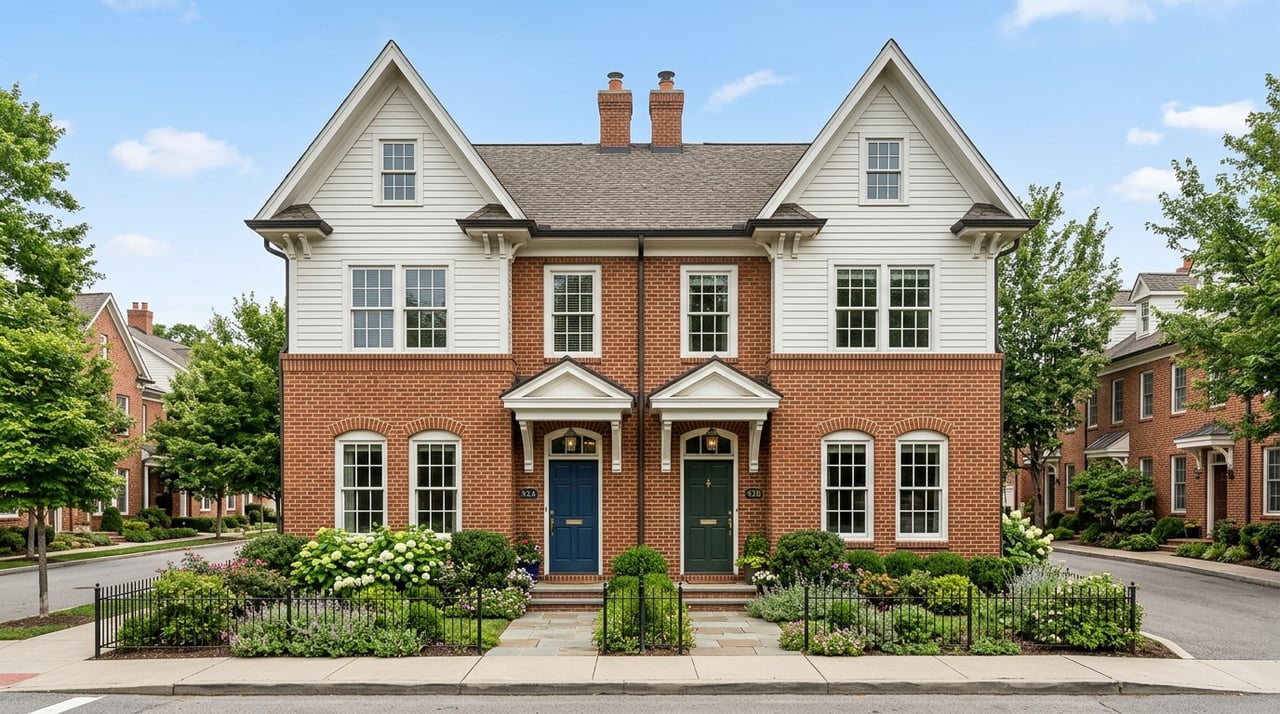
A big part of Stoneham’s appeal is that it offers more than one path into the market. While much of the buildable land is zoned for single-family use, smaller multifamily districts are concentrated near Stoneham Center and along Main Street, Montvale Avenue, Marble Street, Franklin Street, and Elm Street. That creates some opportunities for buyers seeking condos or smaller multifamily properties in more central locations.
The age of the housing stock also shapes what you may find. About 24% of units were built in 1939 or earlier, while 52% date from the 1950s through the 1980s. For buyers, that often means established neighborhoods, mature landscaping, and homes that may offer character and updates in different combinations rather than a brand-new subdivision feel.
What neighborhoods feel like in Stoneham
Stoneham reads as an established suburb with a compact center and residential areas branching outward. The town center is focused along Route 28 and Main Street, while additional commercial areas run along Montvale Avenue and Franklin Street. Town Hall on Central Street and the public library on Main Street help give the community a clear civic core.
That layout matters when you think about lifestyle. Some buyers may prefer being closer to Stoneham Center for easier access to daily errands and local services, while others may want a more residential setting with quick drives to parks or highways. Because Stoneham is largely built out, many areas feel settled rather than in transition.
The owner and renter mix also tells part of the story. Stoneham’s 2026 draft plan reports roughly 29% renter-occupied housing, which means the town still has a limited but meaningful rental and condo market alongside its stronger owner-occupied base. For buyers and sellers alike, that often supports a sense of long-term neighborhood stability while still allowing for a range of housing choices.
Commuting from Stoneham
For many buyers, commute options are one of Stoneham’s biggest strengths. The town’s location is shaped by I-93, I-95, and Route 28/Main Street, giving drivers access in several directions. If you work in Boston or move around the region often, that road network is a major part of Stoneham’s day-to-day convenience.
Stoneham is also not limited to driving alone. According to the town’s 2026 open-space plan, MBTA Route 132 runs along Main Street and Pond Street, connecting Stoneham Center with the Redstone Shopping Center. MBTA Route 99 runs along Woodland Road and links the former Boston Regional Medical Center campus with Medford and Malden, where riders can connect to Orange Line and commuter rail service.
Another local benefit is the Stoneham Shuttle. The town operates this free on-demand electric service Monday through Friday from 7 a.m. to 7 p.m. and Saturday from 9 a.m. to 4 p.m. As of early 2025, riders can use it anywhere in Stoneham and to the Greenwood Commuter Rail Station.
All together, Stoneham feels car-friendly without being car-only. That balance can be appealing if you want flexibility in how you get around, especially for errands, local appointments, or connections to regional transit.
Everyday errands and convenience
Stoneham offers a practical everyday setup that many buyers want in a suburb. Stoneham Center serves as the town’s central business district, and other commercial areas along Montvale Avenue and Franklin Street add more options for routine stops and services. Instead of relying on one isolated shopping area, the town spreads convenience across a few well-used corridors.
The civic layout also helps. With Town Hall on Central Street and the public library on Main Street, the center of town has recognizable anchors that make Stoneham feel organized and easy to navigate. For many residents, that translates into a town where daily life can feel straightforward and efficient.
If you are comparing suburbs, this is an important point. Some towns offer strong housing stock but require more driving for basic routines, while others offer central convenience at the expense of neighborhood feel. Stoneham appears to strike a middle ground between those two experiences.
Outdoor life is a major draw
One of Stoneham’s most distinctive lifestyle features is its access to open space. The town’s 2026 plan states that open space, conservation land, and other protected natural areas make up about 37% of Stoneham’s land area, while water bodies make up about 8%. That is a meaningful amount of land devoted to natural and recreational use for a built-out suburban community.
The Middlesex Fells Reservation is the standout resource. Within Stoneham, it includes Bear Hill, Spot Pond, the Sheepfold off-leash area, parkways, trails, and scenic viewpoints. If you want a suburb where outdoor time can be part of your regular routine rather than an occasional weekend trip, Stoneham has a lot to offer.
Residents also make use of a broad mix of local recreation spaces. Town survey data cited in the open-space plan show regular use of Greenwood Park, Joseph C. Cerrone Memorial Park, Stoneham Town Common, Whip Hill Park, Sheepfold Dog Park, the YMCA, Spot Pond, the Middlesex Fells Reservation, and other sites. The same plan identifies Recreation Park and Colonial Park as important community assets.
Walking, biking, and local recreation
Beyond the larger parks, Stoneham has an amenity that adds to everyday quality of life: the Tri-Community Greenway. This paved, ADA-compliant shared-use trail links Stoneham with Winchester and Woburn. About two miles of the trail run through Stoneham from Recreation Park past Pomeworth Field and the middle school campus.
For residents, that can support more than just recreation. A paved multi-use trail can be useful for walks, bike rides, and getting outside without planning a full day around it. In a suburban market, features like this often play a big role in how connected and livable a town feels over time.
If outdoor access matters to you, Stoneham stands out because it offers both neighborhood parks and regional-scale natural space. That combination is not something every suburb can claim. It gives residents options that range from a quick walk to a longer trail outing.
Who Stoneham may suit best
Stoneham can appeal to several types of buyers because its housing and lifestyle are fairly balanced. If you want a detached home in an established suburb with access to major roads, Stoneham checks that box. If you are looking for a condo or smaller multifamily option closer to the center, the town has some inventory patterns that may support that search too.
The town may also work well for buyers who want outdoor amenities to be part of daily life. With the Middlesex Fells Reservation, Spot Pond, local parks, and the Tri-Community Greenway, Stoneham offers more recreation access than many people expect from a suburb this close to Boston. That can make a real difference in your routine after move-in.
For sellers, Stoneham’s appeal is also fairly clear. The combination of established housing, a strong owner-occupied base, and regional access gives buyers several reasons to consider the town. When a home is priced and prepared well, those local strengths can help support buyer interest.
What to keep in mind before moving
Stoneham is not a brand-new planned community, and that is part of its identity. The housing stock is older on average, so buyers should expect a range of property conditions, layouts, and update levels. Some homes may offer classic details and mature lots, while others may need improvements depending on your goals.
It is also helpful to think carefully about where in town you want to be. Buyers who prioritize quick errands or bus access may focus on areas near the center or major corridors. Buyers who prioritize a quieter residential feel or easier park access may prefer a different part of town.
This is where local guidance matters. In an established market like Stoneham, the right fit is often less about one headline statistic and more about matching your budget, housing type, and daily routine to the right part of town.
If you are weighing a move to Stoneham or preparing to sell there, working with a local team can help you look past the broad overview and focus on the details that matter most to your next step. JMR Real Estate Group brings a relationship-first approach, practical market insight, and hands-on guidance to buyers and sellers across Middlesex County.
FAQs
What is Stoneham, MA like for everyday living?
- Stoneham offers an established suburban setting with residential neighborhoods, a compact town center, major road access, and strong access to parks and open space.
What types of homes are common in Stoneham, MA?
- More than half of Stoneham’s housing units are detached single-family homes, and the town also has some condo and small multifamily options near Stoneham Center and along major corridors like Main Street and Montvale Avenue.
How do people commute from Stoneham, MA?
- Many residents use I-93, I-95, and Route 28, while MBTA Routes 132 and 99 and the free Stoneham Shuttle provide additional local and regional transit options.
Does Stoneham, MA have good outdoor spaces?
- Stoneham has extensive outdoor resources, including the Middlesex Fells Reservation, Spot Pond, local parks, and the Tri-Community Greenway, with open space and protected natural areas making up about 37% of the town’s land area.
Is Stoneham, MA mostly owners or renters?
- Stoneham has a strong owner-occupied housing base, with Census data showing a 71.0% owner-occupied rate, alongside a smaller but meaningful rental market.
Is Stoneham, MA a good fit for condo buyers?
- Stoneham may appeal to condo buyers because smaller multifamily districts are concentrated near the town center and along several main streets, offering alternatives to detached single-family homes.