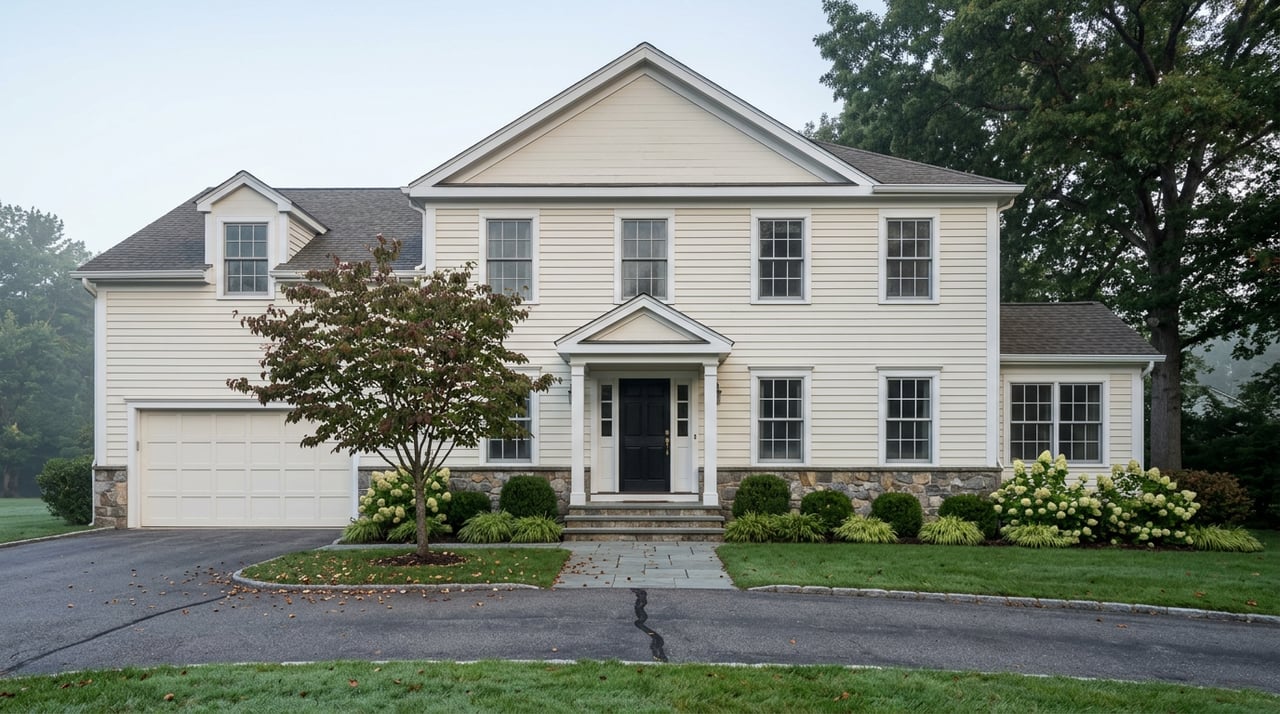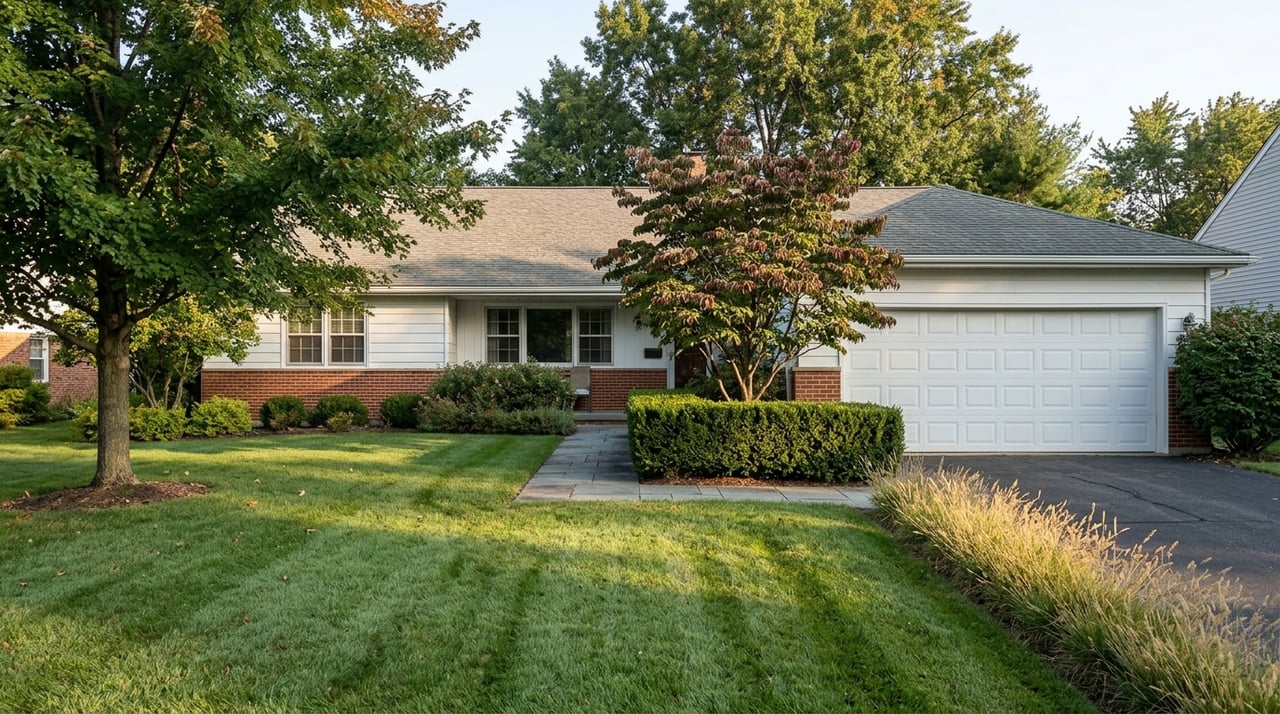
Selling in Cambridge is not like selling in a one-size-fits-all market. A condo in a converted Victorian, a two-family near a busy square, and a single-family home on a quiet side street can attract very different buyers and pricing strategies. If you want to choose the right Cambridge listing agent, you need someone who understands those differences and can guide you through them with clarity. Let’s dive in.
Why Cambridge Requires Local Expertise
Cambridge is made up of 13 distinct neighborhoods, and that matters when you sell. Pricing, buyer demand, and marketing angles can shift based on micro-location, not just a citywide number.
Your property type matters just as much. Cambridge has a housing mix that leans heavily toward multi-unit buildings and condominiums, with single-family homes making up only 6.4% of dwelling units, condos 27.6%, and buildings with 100 or more units 34.1%. That means your listing agent should know how to position condos, townhome-style units, and small multi-family properties, not just detached homes.
Look for Cambridge Property-Type Experience
Not every agent who sells homes in Greater Boston is the right fit for Cambridge. The city’s housing stock includes converted rentals, owner-occupied two- and three-family homes, townhouses, Victorian properties, and modern high-rises.
That variety creates real differences in pricing and presentation. A strong Cambridge listing agent should be able to explain how they would price and market your specific property type, whether you own a condominium, a single-family home, or a small multi-unit building.
Why condo experience matters
Condominiums are a major part of the Cambridge market, and they come in many forms. Some are in older converted buildings, while others are in newer developments with different ownership structures, amenities, and association considerations.
If you are selling a condo, ask how the agent evaluates building style, renovation level, outdoor space, parking, and association strength. Those details can affect value and buyer perception in a big way.
Why small multi-family knowledge matters
Two-family and three-family homes also play an important role in Cambridge. In 2024, the city reported median market-rate sale prices of $1,542,500 for two-family homes and $1,822,500 for three-family homes.
Those numbers show why broad city averages can be misleading. An agent with small-building experience is better prepared to use relevant comparable sales and highlight the features that matter most to buyers in this segment.
Ask How the Agent Prices Homes
Pricing is one of the most important parts of your sale. A good listing agent should base pricing on recent closed sales and then adjust for details like neighborhood, property type, parking, outdoor space, renovation level, and building characteristics.
In Cambridge, using the right data matters. The city’s 2024 median sale prices were $2,315,000 for single-family homes and $870,000 for condominiums, while an MLS PIN Cambridge area market review dated November 10, 2025 reported average sale prices of about $2.91 million for single-family homes and $1.22 million for condominiums.
Ask what data they use and why
Those numbers are not in conflict. They measure different things. City figures are medians based on arms-length sales filed at the Middlesex South Registry of Deeds and updated annually, while MLS figures in the market review are averages.
A strong listing agent should be able to tell you when median data is more useful, when average data helps add context, and how both fit into a pricing strategy for your home. If an agent relies on only one broad number for all of Cambridge, that is a sign to ask more questions.
Focus on net results, not just fees
In Massachusetts, listing agreement terms, including commission arrangements, are negotiable. That means you should compare overall value, service, marketing quality, and pricing judgment instead of looking only at the headline fee.
A lower fee does not always lead to a better outcome if the pricing strategy misses the mark or the marketing falls short. Your goal is to choose the agent who gives you the strongest plan to help you net the best result.
Review the Marketing Plan Carefully
Cambridge buyers often begin their search online, so your home needs a strong first impression. Sellers also consistently say they want help marketing their home, and buyers report that listing photos are one of the most useful parts of the online search process.
When you interview agents, ask for a clear explanation of how your home will be presented. You want to hear specifics, not vague promises.
What to ask about marketing
A strong Cambridge listing plan may include:
- Professional photography
- Floor plans when appropriate
- Staging guidance or prep recommendations
- Clear, polished listing copy
- Full MLS exposure
- Promotion across major consumer-facing real estate portals
- A plan tailored to your property type and location
The MLS still matters because it gives your listing broad visibility to serious buyers through a cooperative marketplace. Your agent should also be able to explain how they extend that exposure beyond the MLS.
Pay Attention to Communication Style
The interview process tells you a lot. If an agent is hard to reach, unclear in their answers, or rushed before you hire them, that may continue once your home is on the market.
Sellers consistently rank reputation, honesty, trustworthiness, and referrals among the most important factors in choosing an agent. In practical terms, that means you should pay close attention to how the agent communicates, how well they listen, and whether they follow through.
Signs of a strong working relationship
Look for an agent who:
- Explains their process in plain language
- Responds promptly and clearly
- Sets realistic expectations
- Gives direct answers about pricing and timing
- Shares a communication plan for updates and feedback
Selling a home can feel stressful, especially in a nuanced market like Cambridge. Clear communication can make the process feel much more manageable.
Make Sure They Understand Massachusetts Rules
Your listing agent should do more than market the property. They should also help you stay ahead of timing and disclosure issues that can affect your sale.
In Massachusetts, the licensee must provide a written disclosure of who they represent at the first personal meeting to discuss a specific property. A strong agent should explain agency relationships clearly and early.
Verify license status first
Before hiring anyone, confirm that the broker or salesperson is licensed, active, and in good standing in Massachusetts. State guidance says you should verify there has been no suspension or revocation.
This is a simple but important first step. It helps you confirm you are working with a qualified professional.
Ask about lead paint and inspection paperwork
If your property was built before 1978, you and your agent must provide the Property Transfer Lead Paint Notification before signing a purchase and sale agreement. Massachusetts also says residential sellers generally do not have an affirmative disclosure duty beyond lead paint requirements.
Your agent should know how this timing works and help you prepare the required documents. They should also know that the home inspection brochure must be distributed at the time of the first written contract to purchase.
Watch for Cambridge Historic Review Issues
Cambridge has local historic and conservation review rules that can affect some sellers. If your property is in a Historic District, Neighborhood Conservation District, or is a landmarked property, certain exterior changes and some demolition work may require review or approval from the Historical Commission.
This may not apply to every seller, but it can affect prep, timing, and buyer expectations when it does. Older homes, condos in converted buildings, and properties with visible exterior changes can benefit from an agent who knows when to flag these issues early.
Best Questions To Ask in Interviews
The right questions can quickly show whether an agent really understands the Cambridge market. Keep your conversation focused on local experience, pricing judgment, marketing quality, and compliance knowledge.
Here are some of the most useful questions to ask:
- How many Cambridge condos, townhomes, and small multifamily properties have you sold recently?
- Which recent Cambridge comps would you use for my home, and why?
- How do you decide whether to use city median data, MLS data, or both?
- What is included in your marketing plan?
- How will you maximize photo quality and online visibility?
- How often will I get updates, and in what format?
- What Cambridge-specific issues should I prepare for before we list?
- Can I verify your Massachusetts license and any disciplinary history?
What the Right Agent Should Bring
The best Cambridge listing agent for you will usually bring five things to the table: local property-type fluency, data-driven pricing, a thoughtful marketing plan, clear communication, and a solid grasp of Massachusetts and Cambridge requirements.
That combination can help you price more accurately, prepare with fewer surprises, and present your home in a way that connects with serious buyers. In a market as varied as Cambridge, that kind of guidance is not a luxury. It is a real advantage.
If you are preparing to sell in Cambridge and want a relationship-first team that values local insight, thoughtful pricing, and hands-on service, JMR Real Estate Group is here to help.
FAQs
What should you look for in a Cambridge listing agent?
- You should look for strong experience with Cambridge property types, recent closed-sale pricing knowledge, a clear marketing plan, strong communication, and a working understanding of Massachusetts disclosure and agency rules.
Why does property type matter when choosing a Cambridge listing agent?
- Property type matters because Cambridge has a diverse housing stock, and pricing or marketing a condo, single-family home, two-family, or three-family property requires different comparable sales and selling strategies.
How should a Cambridge listing agent price your home?
- A Cambridge listing agent should use recent closed sales and adjust for neighborhood, building type, parking, outdoor space, renovation level, and other features that influence buyer demand and value.
What marketing services should a Cambridge home seller ask about?
- You should ask about professional photography, floor plans when appropriate, staging guidance, listing copy, MLS exposure, and how the agent will promote the home across major real estate search platforms.
What Massachusetts rules should a Cambridge seller know before hiring an agent?
- You should know to verify the agent’s Massachusetts license status, review agency disclosure early, prepare lead paint paperwork if the home was built before 1978, and understand that the home inspection brochure must be provided at the first written contract to purchase.
Can historic district rules affect a Cambridge home sale?
- Yes. If your property is in a Cambridge Historic District, Neighborhood Conservation District, or is landmarked, some exterior changes or demolition-related work may require local review or approval, which can affect timing and preparation.