If you are thinking about buying in Stoneham, you are not alone. This small Middlesex County town offers the kind of suburban setting many buyers want, but it also comes with real competition, meaningful monthly costs, and housing choices that can vary more than you might expect. If you want to move from online search to closing day with more confidence, this guide will show you what to focus on, what to budget for, and how to stay prepared at each step. Let’s dive in.
Why Stoneham attracts buyers
Stoneham offers an established suburban setting with strong owner occupancy and a location that works well for many Greater Boston commuters. The town had an estimated 24,550 residents as of July 1, 2024, and about 71.0% of homes are owner-occupied. That can appeal to buyers looking for a community with a stable residential feel.
It is also important to go in with realistic expectations about cost. Census data shows a median owner-occupied home value of $671,900, median monthly owner costs with a mortgage of $3,090, and median gross rent of $2,035. In other words, Stoneham is better understood as an established commuter suburb than a low-cost entry market.
Understand Stoneham housing stock
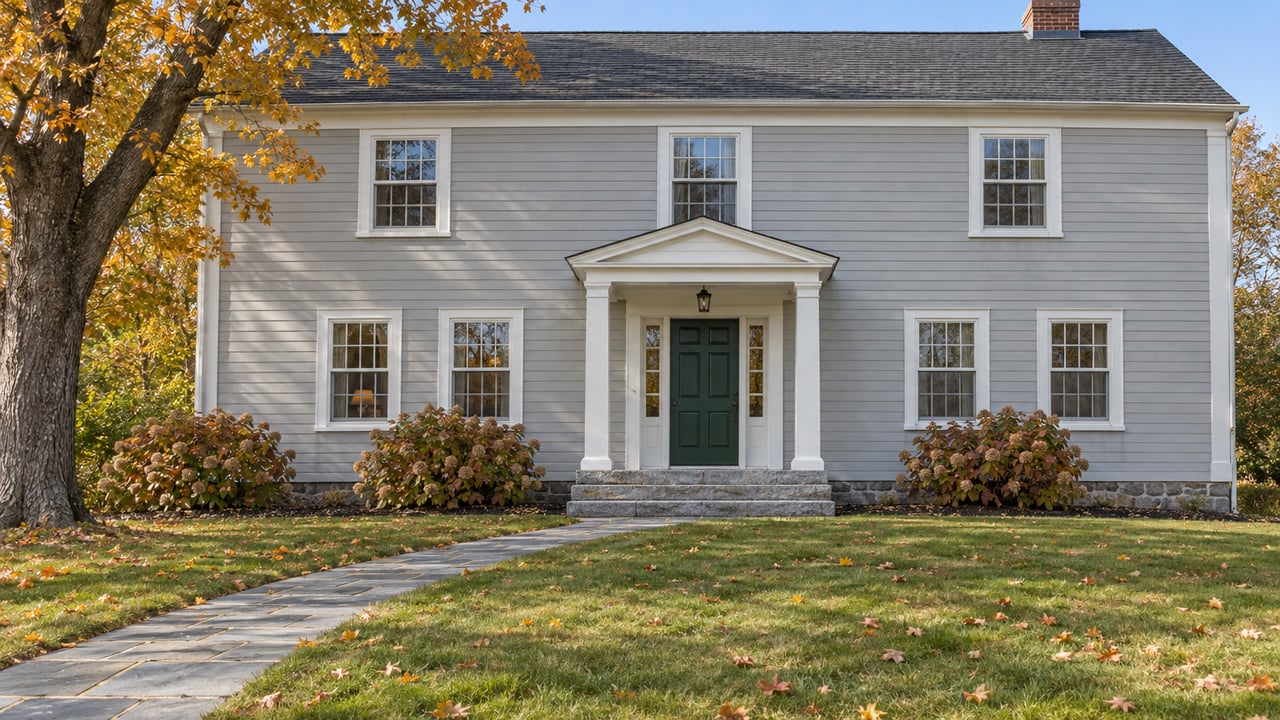
Stoneham’s housing stock is varied, but it leans heavily toward traditional suburban homes. The town’s Housing Production Plan says 57.1% of housing units are single-family homes, while many multifamily units are concentrated in larger buildings. That means your search may include classic single-family options, along with condos and multifamily properties in more concentrated pockets.
The town also notes that much of the housing stock was built after 1960, with older homes still common enough that age and upkeep should stay top of mind. Older properties may come with higher utility costs, deferred maintenance, or systems that need updating. For you as a buyer, that makes condition just as important as layout or curb appeal.
Because more than 36% of Stoneham’s land is permanently protected, much future housing is expected to come from redevelopment rather than large new subdivisions. That helps explain why location inside town can matter so much. Areas near Town Center and Main Street may continue to draw attention because they combine access, walkability, and redevelopment potential.
Start your search with clear numbers
Before you tour homes, get clear on what you can comfortably afford each month. Massachusetts homebuying guidance recommends getting prequalified before shopping, and that advice matters even more in a market where homes can move quickly. A clear budget helps you act faster when the right property appears.
It also helps to define your monthly payment ceiling before you fall in love with a home. Your payment is more than principal and interest. In Stoneham, you should also account for property taxes, insurance, utilities, maintenance, and if applicable, condo fees.
A strong starting list should include:
- Your preapproval or prequalification amount
- Your ideal monthly payment target
- Your maximum monthly payment ceiling
- Expected down payment and cash for closing costs
- A reserve for repairs or updates after closing
Know what a fast market means
Several market trackers show slightly different numbers, but the pattern is clear. Stoneham remains a relatively fast-moving suburban market where preparation matters. Reported data points include roughly 19 to 20 days on market in recent snapshots, with one source showing homes going pending in a median of 9 days.
Pricing snapshots also vary by source and timing, but they point to a market where well-priced homes can draw quick attention. For buyers, the takeaway is simple: if a home fits your budget, commute needs, and condition standards, you may not have much time to decide. The buyers who do best here are often the ones who already know their numbers and priorities.
Focus your Stoneham home search
A good home search in Stoneham is not just about square footage or bedroom count. It is also about how the property fits your daily routine, maintenance comfort level, and long-term plans. Since inventory includes both single-family homes and condo or multifamily options, your search criteria should reflect how you actually want to live.
Start with a short list of deal-breakers. In a town like Stoneham, that often includes commute time, parking, yard size, storage, condo fees, and renovation tolerance. Keeping this list short helps you make faster, cleaner decisions when new listings hit the market.
Prioritize commute and access
Stoneham does not have its own commuter rail station, so transportation planning is part of the home search. The town’s housing plan says residents commonly access nearby Lowell Line stations in Winchester and Woburn, Haverhill Line stations in Wakefield and Melrose, or the Orange Line at Oak Grove by car, bicycle, or the Route 132 bus.
Stoneham also launched a free on-demand shuttle in November 2024 that serves all of Stoneham and Greenwood Commuter Rail Station. That gives buyers another mobility option to consider. If your weekly routine depends on transit access, location within town may shape your experience more than you expect.
Compare home type and upkeep
Single-family homes may offer more privacy, outdoor space, and flexibility, but they can also bring higher maintenance demands. Condos or townhome-style options may reduce some exterior responsibilities, though they can include monthly fees and shared building considerations. Neither is automatically better. It depends on your lifestyle, budget, and willingness to handle repairs.
In Stoneham, older housing means you should pay attention to windows, roofs, heating systems, insulation, and overall upkeep during tours. A home that looks polished on the surface may still come with larger future costs. That does not mean you should avoid older homes. It means you should evaluate them with open eyes.
Pay attention to location inside town
Price can vary meaningfully within Stoneham. Recent neighborhood-level listing data has shown median listing prices ranging from $524,900 in Lindenwood to $821,500 in Bear Hill. Even if those numbers shift over time, they highlight a key point: micro-location matters.
When you tour, think beyond the house itself. Consider access to Town Center, Main Street, parking, traffic flow, and the kind of setting that fits your day-to-day life. These factors can influence both current convenience and future resale appeal.
Tour homes with a sharper checklist
In a competitive market, it is easy to focus on finishes and staging. Try to slow the process down enough to evaluate the parts of the home that affect ownership most. A practical, repeatable touring checklist can help you compare homes more objectively.
Look closely at:
- Age and visible condition of major systems
- Signs of deferred maintenance
- Parking setup and storage space
- Layout fit for your daily routine
- Yard size and outdoor upkeep needs
- Condo fee structure, if applicable
- Access to main roads, transit connections, and Town Center
If two homes seem similar on paper, these details often make the decision clearer. They also help you estimate how much time and money you may need after closing.
Make a stronger offer in Massachusetts
When you are ready to offer, preparation matters as much as price. Massachusetts guidance notes that the mortgage lender, title company, and appraisal process are all part of a normal purchase. A buyer who has financing lined up and understands their budget can usually move with more confidence.
That does not mean rushing blindly. It means being organized before the right house appears. In Stoneham’s active market, a clean offer backed by clear financial readiness can help you compete without losing sight of your limits.
Protect yourself during inspections
Home inspections deserve serious attention, especially in a town with an older housing base. Massachusetts now more clearly protects a buyer’s right to a home inspection. According to Mass.gov, sellers and their agents cannot require or encourage a buyer to waive that right as a condition of having an offer accepted, except in limited circumstances.
Massachusetts also advises buyers to allow enough time in the purchase and sale agreement for a professional inspection. For you, that means inspection timing should be part of your strategy from the start. In Stoneham, where older homes are common, this step is routine due diligence, not an extra.
Consider added inspection scope
A standard home inspection is the core step, but some buyers also choose additional checks based on the property. Mass.gov highlights optional inspections and tests for issues such as water quality, wood-destroying insects, radon gases, air quality, and mold. Depending on the age and condition of the home, a broader scope may be worth discussing.
This is especially relevant if you are buying a home that may have older systems or signs of long-term wear. More information upfront can help you plan repairs, budget accurately, and avoid surprises after closing.
Review lead paint history carefully
Lead review is another key step for older homes. Massachusetts and federal rules require lead paint notification for homes built before 1978 before a purchase and sale agreement is signed. The state also maintains Lead Safe Homes records that buyers can search to review lead history.
Since older homes are common in Stoneham, lead diligence should be treated as a normal part of the process when the age of the property calls for it. It is not something to panic about, but it is something to review carefully and early.
Plan for attorney-led closing steps
Massachusetts home purchases are typically attorney-led, and that can shape the path from accepted offer to closing. The state notes that the purchase and sale agreement is a legal document prepared and agreed to by attorneys, and that closing involves substantive attorney participation. Buyers may benefit from having their own attorney review the purchase and sale agreement, mortgage documents, and closing papers.
That legal structure means your transaction timeline depends on more than inspections and financing. Coordination among your agent, lender, attorney, and other parties becomes especially important. A smooth closing usually reflects good communication long before closing day arrives.
Budget for full carrying costs
One of the biggest mistakes buyers make is focusing too narrowly on the mortgage payment. In Stoneham, carrying costs deserve a full review. The town’s FY2026 classification hearing lists a residential tax rate of $10.06 per $1,000 of assessed value.
That same town document shows an average single-family value of $801,126 and an average single-family tax bill of $8,059. Those figures are a useful reminder that property taxes can materially affect your monthly housing cost. Your full budget should include mortgage, taxes, insurance, utilities, maintenance, and any association fees.
Watch for closing-day checkpoints
As closing approaches, a few practical items can affect timing. Mass.gov says sellers must clear the smoke and carbon monoxide alarm inspection with the local fire department and obtain a certificate of compliance when a home is sold or transferred. The state advises scheduling that inspection as soon as a closing date is known.
For buyers, this matters because it is one of several pieces that must line up before keys change hands. Along with lender appraisal, title review, final walkthrough, and any agreed repairs, alarm compliance can affect the closing timeline. It is another reason local coordination matters.
What buying in Stoneham really requires
Stoneham offers a lot to like, but it rewards buyers who are prepared. The town combines a largely owner-occupied housing base, limited developable land, and a market where desirable homes can move quickly. That means your best advantage is not just speed. It is informed speed.
If you come in with financing ready, a realistic monthly budget, a clear sense of location priorities, and a strong inspection plan, you put yourself in a much better position from search to close. And if you want local guidance that stays practical and personal, JMR Real Estate Group can help you navigate Stoneham with steady advice every step of the way.
FAQs
What should buyers know about Stoneham home prices?
- Stoneham is generally an established suburban market rather than a low-cost entry market, with recent data showing meaningful variation by property type, timing, and location within town.
What should buyers prioritize when touring Stoneham homes?
- Buyers should focus on age and condition, parking, storage, maintenance needs, commute access, and any costs tied to condo ownership or future repairs.
What should buyers know about commuting from Stoneham?
- Stoneham does not have its own commuter rail station, but residents commonly access nearby rail and Orange Line connections by car, bike, bus, and the town’s free on-demand shuttle to Greenwood Station.
What should buyers know about home inspections in Massachusetts?
- Massachusetts more clearly protects a buyer’s right to a home inspection, and buyers should allow enough time in the purchase and sale agreement for professional inspection and related due diligence.
What should buyers know about older Stoneham homes?
- Because older homes are common in Stoneham, buyers should pay close attention to systems, maintenance, possible lead paint disclosure requirements for pre-1978 homes, and whether optional inspections may be worthwhile.
What should buyers budget for beyond the mortgage in Stoneham?
- Buyers should budget for property taxes, insurance, utilities, maintenance, and any condo fees in addition to principal and interest.