If you want a town that can support both your weekday commute and your long-term real estate goals, Watertown deserves a closer look. For many buyers and small investors, the challenge is finding a place that feels connected without being overly spread out or dependent on a single transit option. Watertown stands out because it offers compact geography, strong bus access, a meaningful mix of housing types, and visible public investment that could shape future demand. Let’s dive in.
Why Watertown fits commuter life
Watertown’s biggest strength for commuters is how much access is packed into a small footprint. The city is only 4.1 square miles with roughly 35,000 residents, which means many daily trips happen within a relatively concentrated area rather than across a large suburb. That matters when you are weighing convenience, flexibility, and how much time you want to spend getting from home to work.
The city points to major highway access via I-90 and U.S. Routes 3 and 20. On the transit side, MBTA bus routes 71, 73, and 70 connect Watertown to Red Line service at Harvard Square and Central Square. There are also express buses from Watertown Square to Back Bay and the Financial District, which adds another layer of commute choice.
For many people, that variety is the real draw. Watertown’s commute story is not built around one rail stop. Instead, it comes from a mix of buses, short drives, bike routes, pedestrian paths, and shuttle connections that can make everyday travel more adaptable.
Transit options go beyond the car
If you are comparing Watertown to more car-dependent suburbs, the difference is easy to see. The city notes more than 10 miles of bike and pedestrian paths, BlueBikes stations, and TMA shuttles linking Harvard Square with commercial areas on Pleasant Street and Arsenal Street. That creates more than one way to move through town and connect to nearby job centers.
Watertown’s average travel time to work is 27.6 minutes, according to the Census. While commute times always vary by destination and time of day, that figure supports the idea that Watertown functions as an accessible inner-suburb location for many workers. It is close enough to key employment centers to stay on the radar for buyers who value practical daily access.
The city is also investing in transportation improvements that could strengthen this appeal over time. The Community Path is partially constructed, and the Mount Auburn Street bus-priority effort for routes 71 and 73 is part of a broader corridor project that is under substantial construction, with completion projected in 2029.
Why this matters for buyers
For owner-occupants, commute flexibility can have a direct effect on lifestyle. If you can rely on a bus, bike, shuttle, or shorter drive depending on the day, you may have more options when work schedules change. That can be especially useful if your household does not want to depend on one route or one mode of travel.
It also changes how you evaluate housing choices. In a place like Watertown, a condo or townhouse near a key corridor may offer a different kind of value than a larger home in a farther-out suburb. For some buyers, lower maintenance plus better access can be a very practical tradeoff.
Watertown’s housing mix supports more than one strategy
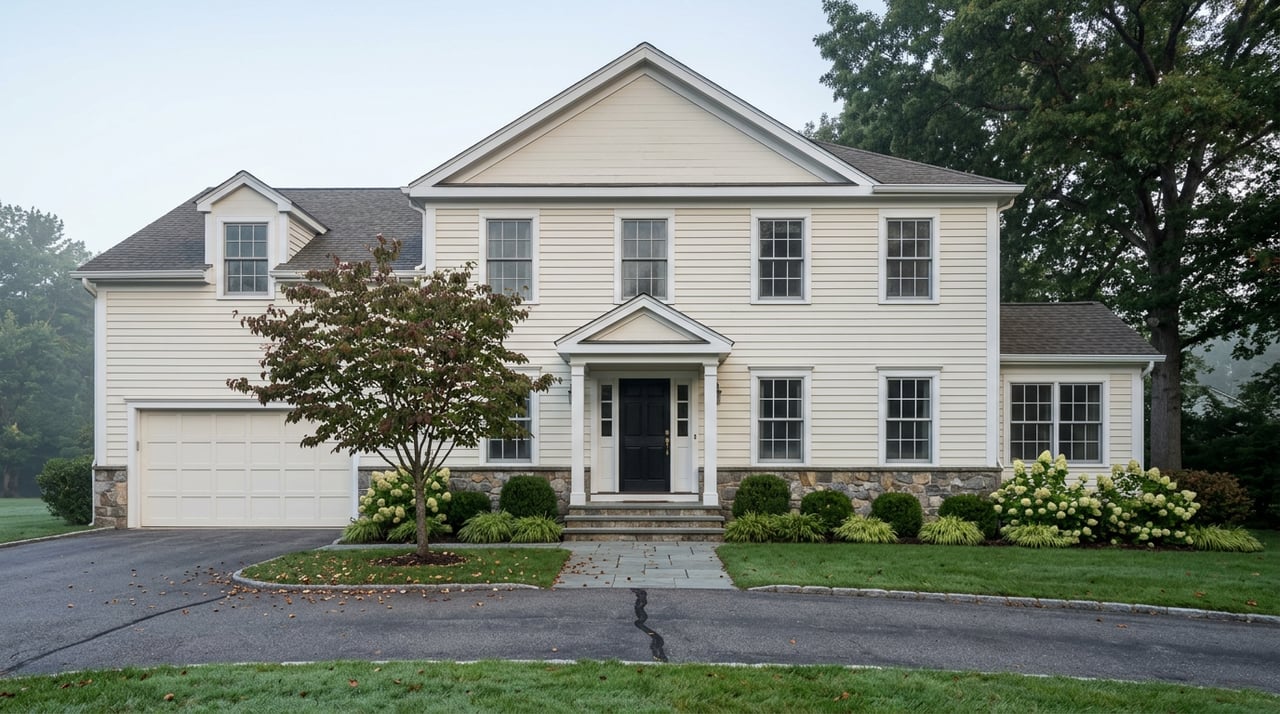
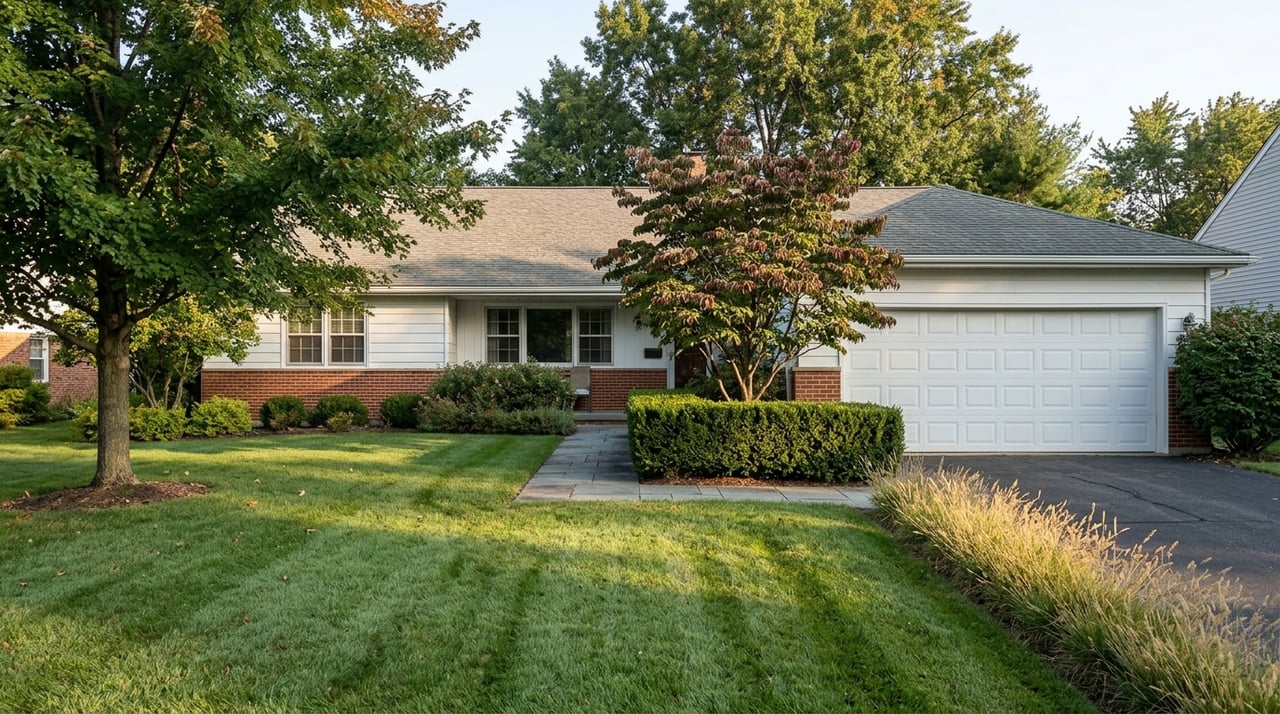
Watertown also works because its housing stock is not limited to detached single-family homes. According to Housing MA, about 33.6% of the housing stock is single-family, 43.16% is in two-to-four-unit buildings, and 23% is in buildings with five or more units. That is a very different profile from a suburb dominated almost entirely by standalone houses.
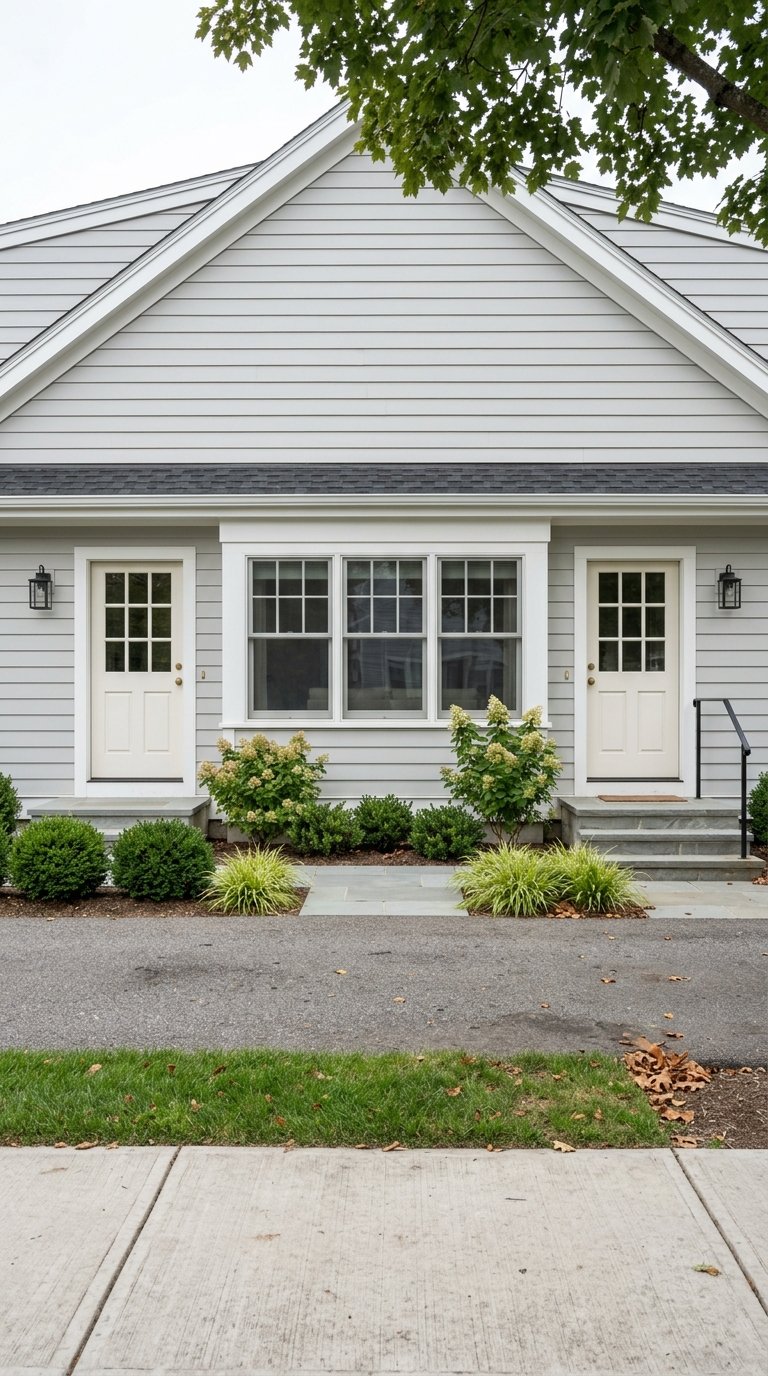
This housing mix gives buyers and investors more ways to enter the market. You may find options in condos, small multifamily properties, or other attached housing types that better match your budget, maintenance goals, or long-term plan. In a higher-cost market, flexibility in property type can be a real advantage.
The Census also reports a 47.7% owner-occupied rate, a median gross rent of $2,502, and a median value of owner-occupied homes of $784,600. Together, those figures point to a market where renting and ownership both play important roles. For buyers, that can support condo demand and smaller-scale investment interest.
Why small investors pay attention
If you are a small investor or landlord-minded buyer, Watertown’s housing profile is worth studying. The large share of two-to-four-unit buildings suggests a market with more small multifamily opportunities than you would typically see in a purely single-family suburb. That can appeal to buyers who want to house hack, generate rental income, or hold a property with multiple use paths over time.
The local policy environment also shows movement toward additional multifamily capacity in certain areas. Watertown says its City Council adopted MBTA Communities zoning on November 14, 2024, and the Commonwealth issued a compliance determination on April 9, 2025. While zoning changes do not guarantee that new housing will appear quickly, they do signal a local framework that is making room for more multifamily development in designated locations.
The city’s Housing page also notes an affordable housing linkage fee adopted in April 2023, with the Planning Office overseeing affordable housing requirements and housing programs. For investors, the larger point is that housing policy is active, visible, and tied to how Watertown is planning for growth.
Reinvestment is easy to spot
One reason Watertown stays interesting is that change is happening in visible corridors rather than only on paper. The city’s design guidelines were created in response to development pressure on Arsenal Street, Watertown Square, Coolidge Square, and the Pleasant Street corridor. Those are the kinds of places where buyers and investors often look first because they can shape how a town feels and functions over time.
The guidelines are meant to provide clearer expectations for new development and redevelopment in these areas. At the same time, the city has also emphasized neighborhood character as infill continues. That balance matters if you are trying to understand how future growth may fit into the existing fabric of the community.
Watertown Square is a key area to watch
The Watertown Square Area Plan is one of the clearest signs of long-term evolution. The city defines the plan area as 167 acres that includes the traditional downtown along with auto-oriented properties such as gas stations, tire stores, and car dealerships. That mix creates room for significant change if redevelopment continues.
The city’s goals for the area include safer streets for walking, biking, and transit, stronger support for small businesses, more open space and Charles River access, and expanded housing options. For a buyer, that could mean a more connected, amenity-rich district over time. For an investor, it points to a place where public planning and private reinvestment may continue to intersect.
The city has also said one by-right zoning scenario for the plan area would zone for over 6,000 units, though that does not mean that many homes will actually be built. The key takeaway is not a fixed unit count. It is that Watertown Square is being planned as a major growth and transformation area.
Infrastructure work supports the story
Public-realm improvements help reinforce what the planning documents suggest. The city says the North Beacon Street and Arsenal Street intersection is under construction as part of the MassDOT Bottleneck Program. The Mount Auburn Street Corridor Project is also under substantial construction, with projected completion in 2029.
The Community Path is designed to connect the Watertown/Cambridge Greenway through Watertown Square to the Pleasant Street corridor and the Charles River. For residents, these are not abstract planning concepts. They are the kinds of improvements that can influence how convenient, walkable, and connected a location feels in everyday life.
What to keep in mind before you buy
Watertown has strengths, but it is still important to approach the market with realistic expectations. The city’s by-right zoning still includes height limits, design standards, and public site plan review. Protected properties may also be subject to historic, historical, or conservation review.
Larger developments can face transportation demand management expectations aimed at reducing single-occupancy vehicle trips. In simple terms, Watertown is not a place where every redevelopment idea moves forward without constraints. If you are buying with an investment lens, local rules and location-specific factors still matter.
The bottom line on Watertown
Watertown works for commuters because it offers layered access in a compact setting. You are not relying on one transit line or one road to make daily life work. Instead, the city combines bus connections, highway access, bike and pedestrian routes, and active transportation improvements that support a more flexible routine.
It also works for investors and long-term buyers because the housing stock includes a substantial share of condos and small multifamily properties, not just single-family homes. Add in corridor reinvestment, planning activity, and infrastructure upgrades, and you get a market that is evolving in ways many buyers find compelling. If you want a Middlesex County location that blends practical commuting with a broader range of residential opportunities, Watertown is worth serious consideration.
If you are thinking about buying, selling, or exploring a small multifamily opportunity in Watertown or nearby Middlesex County towns, JMR Real Estate Group can help you make sense of the local market with a practical, relationship-first approach.
FAQs
Why is Watertown, MA appealing for commuters?
- Watertown appeals to commuters because it combines highway access, MBTA bus routes to Harvard Square and Central Square, express bus service to downtown Boston, and a growing network of bike, pedestrian, and shuttle connections.
Why do small investors look at Watertown real estate?
- Small investors often look at Watertown because the housing stock includes a large share of two-to-four-unit and larger multifamily buildings, which creates more options than a market dominated only by single-family homes.
What types of homes are common in Watertown, MA?
- Watertown includes single-family homes, condos, and multifamily properties, with Housing MA reporting about 33.6% single-family homes, 43.16% two-to-four-unit buildings, and 23% five-or-more-unit buildings.
What is happening in Watertown Square right now?
- Watertown Square is part of a 167-acre planning area where the city is studying safer streets, support for small businesses, more open space, better Charles River access, and expanded housing options.
Are there major transportation projects underway in Watertown, MA?
- Yes. The city says the Mount Auburn Street Corridor Project is under substantial construction, the North Beacon Street and Arsenal Street intersection is being improved through the MassDOT Bottleneck Program, and the Community Path is partially constructed.