Is Somerville’s real estate market moving faster than you can track? If you are thinking about buying, selling, or investing here, you need a simple way to understand what is pushing prices and competition. In this guide, you will learn how the mix of condos and 2–4 family homes, ongoing condo conversions, and the Green Line Extension all shape today’s market. You will also get plain-language definitions of key stats so you can read the numbers with confidence. Let’s dive in.
Why Somerville behaves differently
Somerville sits just northwest of Boston with strong transit links and easy access to major job centers and universities. Walkability, bikeability, and an expanding transit network keep demand high relative to many suburbs. Limited developable land and zoning constraints make prices more sensitive to shifts in demand.
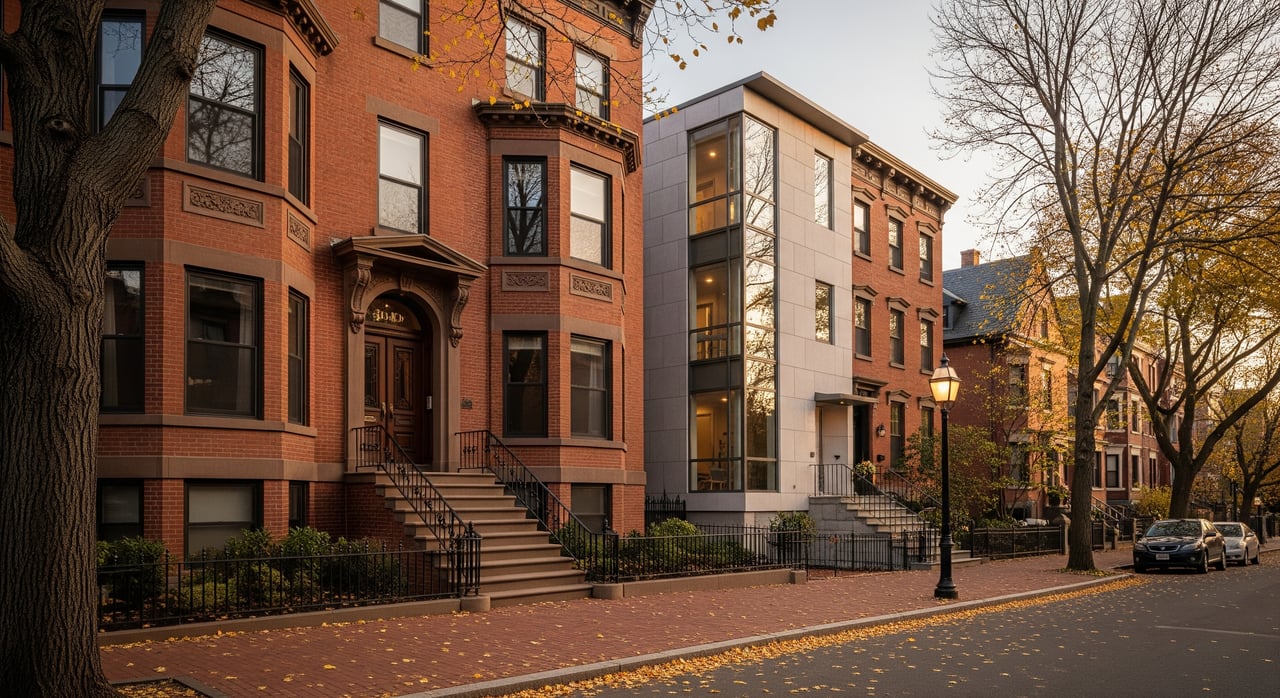
The housing stock is dense and mixed, with a long history of 2–4 family buildings and a growing condo base. Investor interest remains strong because the rental market is deep and diversified. These structural features help explain why prices can be higher and more volatile than in farther-out suburbs.
Inventory mix: what’s on the market
Somerville’s inventory includes single-family homes, many 2–4 family properties, and an increasing number of condo units. Condos often cluster near transit corridors and active commercial nodes, including areas around Union Square. This blend creates different buyer pools and pricing patterns across neighborhoods.
A market with many 2–4 family buildings behaves differently from a single-family suburb. Investors and owner-occupants often compete for the same properties. As owners convert multi-family buildings into condos, the for-sale condo supply can rise quickly while long-term rentals may shrink.
Inventory signals to watch
- A jump in new condo listings relative to multi-family listings.
- Changes in days on market for condos versus 2–4 family homes.
- Shifts in the ratio of owner-occupied to renter-occupied housing over time.
- Movement in price per unit for small condos as new conversions hit the market.
Condo conversions in plain English
A condo conversion turns a building under single ownership into individually owned units with a master deed and a condominium association. This process can add more for-sale options for owner-occupants. It can also reduce rental supply if former rentals become owner-occupied units.
Typical steps include drafting and filing condominium documents, creating unit descriptions, and forming an association with bylaws. The process is governed by state condo law and may involve local permitting or registration requirements. Tenant protections and notification rules can apply, so it is wise to consult local housing resources or a housing attorney for specifics.
Financing and buyer considerations
Newly converted small projects may not meet all lender project-approval standards. Some loan programs look at owner-occupancy rates, project reserves, and association health. This can limit the buyer pool, influence pricing, or affect your loan options.
Due diligence checklist for conversions
- Request recent condo documents, budget, reserves, and rules.
- Ask about project approvals or reviews that may affect financing.
- Review the building’s conversion history and any recent work.
- Confirm maintenance plans and responsibilities within the association.
Green Line Extension: what to expect
The Green Line Extension added new light-rail access in parts of Somerville, including Union Square. Transit projects like this often create a price premium near stations, though results vary by market cycle, property type, and how much new development follows. In the short term, construction or initial adjustment periods can limit the uplift, while long-term gains often depend on zoning and new projects near stations.
Condos and higher-density developments tend to capture more of the transit premium than small rental properties. Rental impacts may lag for-sale price changes. Transit is one of several demand drivers alongside jobs, universities, amenities, and limited land.
How to measure the GLX effect
- Compare sales within 0–0.25 mile, 0.25–0.5 mile, and 0.5–1 mile of stations.
- Use a pre and post window, such as three years before and after opening, to smooth seasonality.
- Track median sale price, price per square foot, days on market, sale-to-list ratio, and sales counts.
- Use a control area farther from stations or in a nearby city without new transit to separate citywide trends from the transit effect.
Remember that correlation is not causation. Prices may rise due to broader job growth, tight supply, or expected future development, not just transit alone.
How to read the market stats
You do not need to be an analyst to understand market heat. Focus on a few core metrics and how they move together.
- Median sale price: The middle sale price in a period. Track the trend and year-over-year change rather than one month’s number.
- Days on market (DOM): Days from listing to accepted offer based on local MLS rules. Lower DOM usually means stronger demand.
- Months of inventory: Active listings divided by average monthly sales. Under 3 months often signals a seller’s market, 3–6 months is balanced, and over 6 months favors buyers. Urban hot spots can be competitive even at slightly higher levels.
- Absorption rate: Monthly sales divided by active inventory, expressed as a percentage. Higher absorption suggests faster turnover and tighter supply.
- Sale-to-list ratio: Sale price divided by list price. Above 100 percent suggests bidding or pricing conservatism by sellers.
- Price per square foot: Useful within a neighborhood and property type, but be careful across different housing styles or when square footage data is inconsistent.
- Compound annual appreciation: A multi-year view using a start-to-end comparison. Helpful for long-term planning but should be adjusted for cycles and sample differences.
Practical tip: In smaller submarkets or tight time windows, a single month can be noisy. Rolling 6 or 12-month views reduce volatility and tell a clearer story.
What this means for buyers
- Near GLX stations: Expect potential competition and premiums. Compare recent sales within a quarter mile to those farther out to see if the premium is already priced in.
- Condo purchases: Review association budgets, reserves, and rules. Confirm lending options and any project approvals that could affect your loan.
- 2–4 family homes: If you plan to rent units, review rental histories, tenant rights, and timelines. Investors and owner-occupants often compete for these properties.
- Due diligence: Ask for condo docs, rental histories, inspection reports, and title checks for conversion properties.
What this means for sellers
- Pricing near transit: You may be able to capture a premium, but base pricing on recent comparable sales and adjust for size and condition.
- Marketing focus: Highlight transit access, walkability, and local amenities. Be clear about occupancy status, recent upgrades, and any conversion history.
- Timing and pace: If new condo projects add supply, months of inventory can rise and shorten your window to stand out. Track DOM and sale-to-list ratios so you can adjust quickly.
Neighborhood-level nuance
Somerville is not one uniform market. Union Square, Ten Hills, Spring Hill, and Winter Hill can follow different timelines and price patterns. Always analyze at the submarket level and by property type to get a realistic view.
Get local guidance you can trust
Every situation is different, and the right move depends on your timeline, property type, and neighborhood. If you want a clear plan backed by data and hands-on service, connect with the local team that blends neighborhood insight with investor-savvy guidance. For tailored advice or a free pricing check, reach out to JMR Real Estate Group.
FAQs
What drives Somerville home prices today?
- Proximity to job centers and universities, strong transit access, limited land for new housing, and a deep rental market that supports both investors and owner-occupants.
How do condo conversions affect buyers in Somerville?
- Conversions increase for-sale condo supply but can reduce long-term rentals, and some small projects may face lending constraints that affect financing options and pricing.
Does living near the Green Line Extension raise value?
- Many transit studies show a premium near new stations, but the size varies by market cycle, property type, and nearby development; confirm with recent local sales.
What is months of inventory in Somerville and why care?
- It estimates how long current listings would take to sell at the recent pace; lower months supply usually means more competition and stronger seller leverage.
Is a 2–4 family or a condo the better buy?
- It depends on goals: condos suit simpler ownership and location perks, while 2–4 families can offer rental income but require landlord know-how and careful due diligence.
How should a seller near a GLX stop price a home?
- Start with recent comparable sales near the station, adjust for size and condition, and monitor DOM and sale-to-list ratios to stay aligned with current demand.