Wondering if Woburn is still a realistic place to buy your first home? You are not alone. With higher prices, tight inventory, and very different housing options from one part of the city to another, choosing a starter home here can feel like a moving target. The good news is that if you understand Woburn’s trade-offs, you can focus your search and make a smarter decision. Let’s dive in.
Why Woburn feels so varied
Woburn sits about 10 miles northwest of Boston and includes a mix of residential areas, office and industrial parks, and wooded conservation land. That mix shapes the home search in a real way. Two properties with similar prices can offer very different day-to-day living depending on the setting, road access, and housing type.
The city’s planning materials also show that Woburn is not built around one uniform housing pattern. Older streets like Main Street, Montvale Avenue, and Common Street include many historic homes, while later subdivisions tend to have newer homes with more consistent setbacks. In practical terms, your starter-home options may range from older single-family homes with character to newer attached housing with a more low-maintenance setup.
Examples of residential areas identified in city planning documents include Shaker Hill, Cummingsville, South Wilmington, North Woburn, Central Square, Walnut Hill, and Woburn Highlands. For buyers, the takeaway is simple: it helps to think of Woburn as a collection of pockets rather than one single market.
What a starter home costs in Woburn
If you are buying your first home, affordability in Woburn is about more than the asking price. Current Census data show a median owner-occupied housing value of $673,500, median monthly owner costs with a mortgage of $2,791, and median gross rent of $2,221. Those numbers suggest that monthly carrying costs deserve just as much attention as the purchase price.
The local sales data show a meaningful difference between property types. In the Massachusetts Association of Realtors’ April 2026 report, the median single-family sale price in Woburn was $772,450, while the median condo sale price was $645,500. That gap of about $126,950 helps explain why many first-time buyers start with condos or townhomes before looking at detached homes.
Inventory is also tight. The same report shows 1.3 months of supply for single-family homes and 1.6 months for condos. In a market like that, the best starter-home strategy is usually to define your must-haves early and avoid stretching for features that may push you into a harder price tier.
Condo, townhome, or single-family?
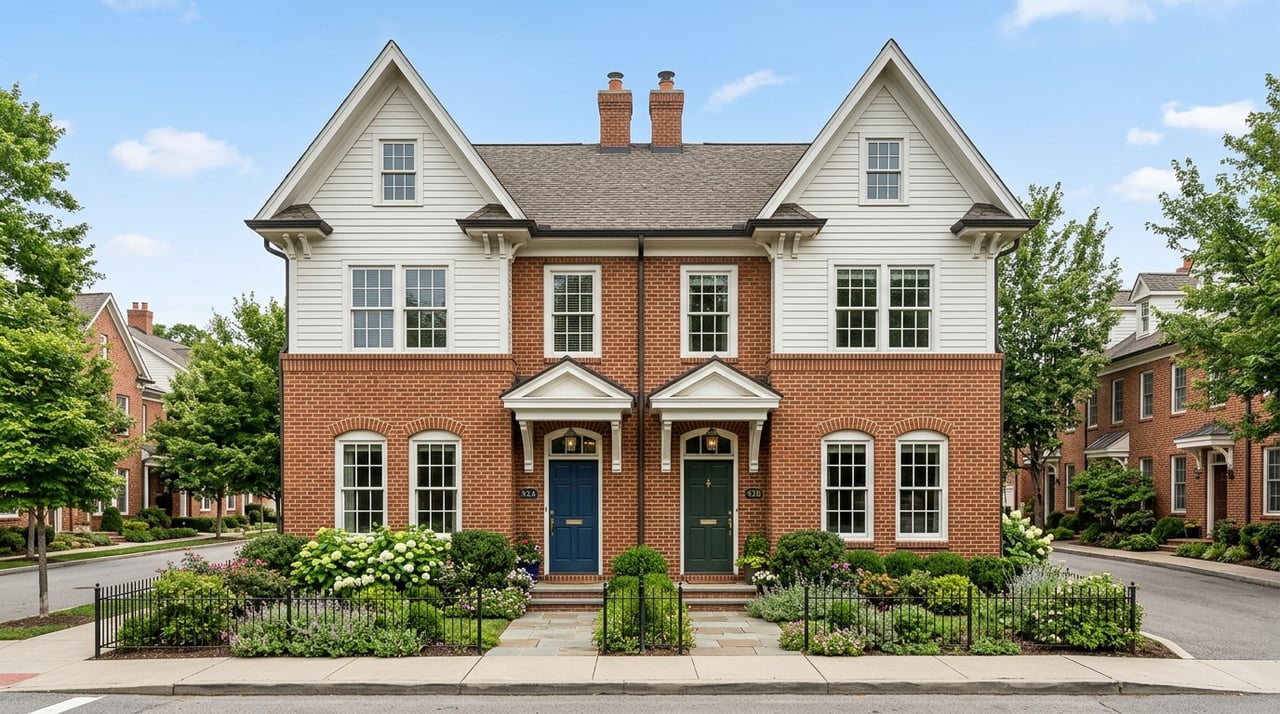
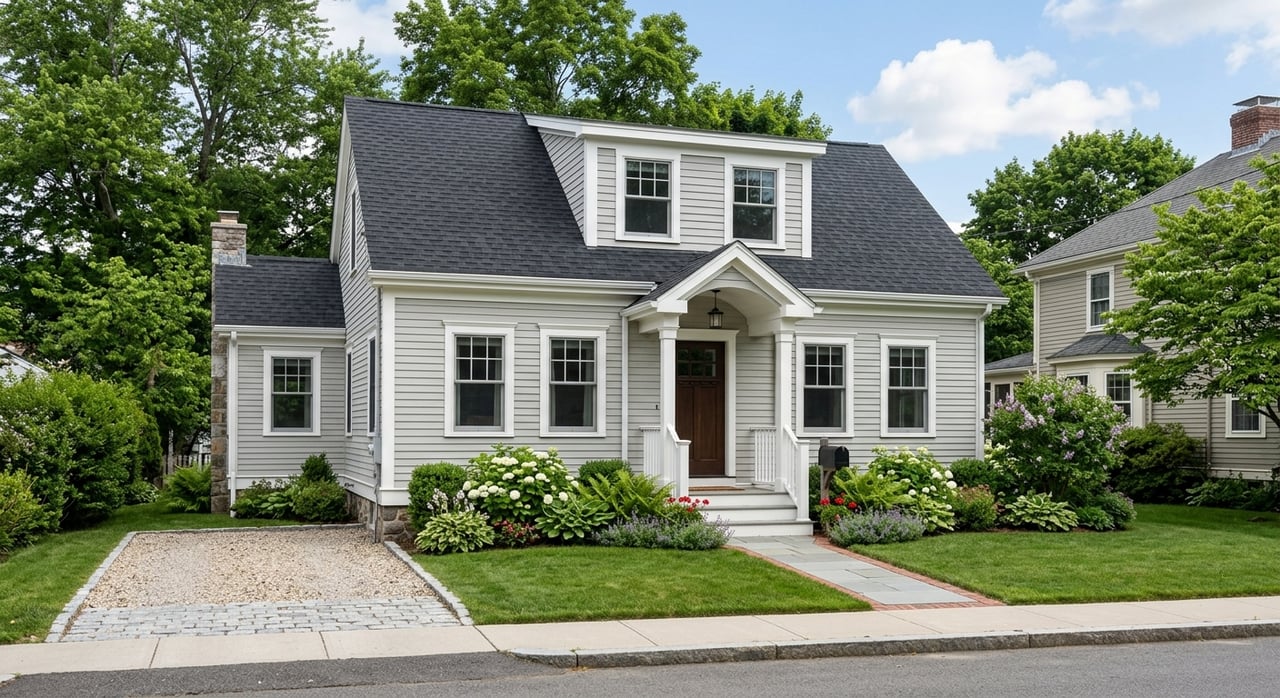
For many buyers in Woburn, this is the biggest decision. A condo or townhome often offers a more realistic entry point, especially if you want lower day-to-day upkeep or a newer layout. A small single-family may offer more privacy, yard space, and control, but it often comes with a higher price and more maintenance responsibility.
In Woburn, attached housing is a meaningful part of the local mix. The city’s Highland at Vale project on Hill Street includes 197 condominiums and townhomes. The city also noted 30 affordable units for eligible first-time homebuyers, with example monthly condo fees ranging from $185 to $204 for those units.
That example highlights an important point. A lower purchase price does not automatically mean a lower monthly cost. When you compare a condo or townhome to a small single-family, you will want to look at:
- Mortgage payment
- Property taxes
- Condo fee
- Parking setup
- Maintenance responsibility
- Reserve savings for repairs
If your top goal is predictable upkeep, attached housing may feel like the safer starter path. If your top goal is autonomy and outdoor space, a small single-family may still be worth the extra monthly cost.
Taxes matter more than many buyers expect
In Woburn, property taxes should be part of your monthly budget from day one. The city’s FY2026 residential tax rate is $9.15 per $1,000 of assessed value, and tax bills are issued quarterly. That means even a modest jump in price can change your true monthly ownership cost in a noticeable way.
This is especially important when you are comparing a condo with a fee against a higher-priced detached home. A condo fee can feel frustrating at first glance, but the alternative may be a larger loan amount, higher taxes, and separate maintenance bills. The right comparison is not condo fee versus no condo fee. It is total monthly cost versus total monthly cost.
Commute value depends on the exact location
Many buyers choose Woburn because of its location near Routes 93 and 128. That regional access is a big advantage, but daily convenience can vary a lot within the city. Woburn also notes that Route 38 through Woburn Center often serves as an alternate route when I-93 and I-95 are congested, which means your exact road network can shape your routine more than the ZIP code itself.
Transit access is real, but it is not uniform. The Woburn Park and Ride offers 375 spaces, a $7 parking fee, 24/7 access, and commuter rail service. At the same time, state information notes that Anderson/Woburn is currently accessible only by vehicle or by a lengthy, indirect walk, which is why a pedestrian bridge over the rail tracks is being designed.
That is why buyers should avoid broad assumptions like “near the station” or “easy commute.” In Woburn, it is smarter to compare the actual route, parking arrangement, and how the trip will work on a normal weekday.
Parking and access deserve a closer look
If you are considering a condo or townhome, parking can affect daily life more than square footage. Deeded parking, guest parking, and overflow options all matter. A unit that seems convenient on paper may feel less practical if guest parking is limited or if your second vehicle has no clear spot.
This is especially true if you hope to use commuter rail service regularly. Rather than assuming a station-area address will be simple, ask how you would actually get there, where you would park, and how long the trip would take in practice.
Where you may find different housing styles
Woburn’s housing stock reflects different eras of development. Older corridors and established residential areas may offer more older single-family homes, often with more variation in style and lot shape. Later subdivisions and more recent projects may bring a more standardized layout or attached-home option.
The city’s current planning work also points to continued multifamily growth. Woburn says hundreds of new multifamily apartments have already been built around Woburn Villages and Anderson Station, and its MBTA Communities work centers on additional non-age-restricted multifamily zoning near Anderson Station. For buyers, that reinforces the idea that newer attached housing is an important part of the city’s evolving supply.
If you are drawn to a lower-maintenance lifestyle, it may make sense to focus on areas with more recent attached development. If you prefer older housing stock and are open to more upkeep, established sections of the city may offer more of what you want.
Lifestyle trade-offs are part of the decision
A starter home is not only a financial choice. It also shapes how you spend your time. Some buyers want easier access to transit and major roads, while others prefer a more residential setting near open space.
Woburn highlights places like Horn Pond Reservation, Forest Park, and Shaker Glen as part of its conservation and recreation network. That means some buyers may value proximity to parks and wooded areas, while others may put a higher premium on station-area convenience or highway access. Neither choice is better. It just depends on which daily burden you want to minimize.
A simple framework for choosing wisely
Because Woburn offers so many trade-offs, it helps to rank your priorities before you tour homes. Start by deciding which of these matters most to you:
- Lower monthly payment
- Less maintenance
- More living space
- Yard or outdoor area
- Easier road commute
- Better parking setup
- Closer access to commuter rail
- Newer layout or finishes
Once that list is clear, it becomes easier to rule homes in or out. In a tight market, clarity often matters more than trying to keep every option open.
Questions to ask before you make an offer
A starter home in Woburn should work on paper and in real life. Before you move forward, ask questions that connect the list price to your daily routine.
A good short list includes:
- What will the full monthly cost be, including taxes and any condo fee?
- How much upkeep will fall on you?
- What is the parking arrangement?
- How would the commute work on a normal weekday?
- Is the home in an area with older housing stock or newer attached development?
- If school assignment matters to your household, what school is assigned to this address?
On that last point, Woburn Public Schools says the district serves more than 4,500 students from preschool through grade 12 and includes multiple elementary schools, two middle schools, and Woburn Memorial High School. If school assignment is important to your planning, verify it by address early in the process.
The smartest starter home is the one that fits your trade-offs
In Woburn, there is no one-size-fits-all starter home. The better choice often comes down to what you are trying to reduce: price, upkeep, commute stress, or parking headaches. A condo or townhome may be the right answer for one buyer, while a compact single-family may be worth the extra cost for another.
The key is to compare homes based on total lifestyle fit, not just list price. When you do that, Woburn’s diverse market starts to feel less overwhelming and more manageable.
If you want help narrowing down the right starter-home strategy in Woburn, connect with JMR Real Estate Group for practical, local guidance tailored to your goals.
FAQs
What is a realistic starter-home option in Woburn for a first-time buyer?
- In many cases, a condo or townhome is the more realistic starting point because the April 2026 median condo sale price in Woburn was $645,500, compared with $772,450 for single-family homes.
How should you compare a condo and a single-family home in Woburn?
- You should compare total monthly cost, including mortgage, property taxes, condo fees if applicable, parking, and expected maintenance, rather than looking at list price alone.
Why does commute location matter so much for a starter home in Woburn?
- Woburn offers strong regional road access near Routes 93 and 128, but convenience varies by exact location, and access to Anderson/Woburn is not equally easy from every address.
Where might you find newer attached housing in Woburn?
- City planning and housing updates show that newer attached and multifamily housing is part of Woburn’s evolving mix, including development activity near Anderson Station and Woburn Villages.
What property tax detail should buyers know about Woburn homes?
- Woburn’s FY2026 residential tax rate is $9.15 per $1,000 of assessed value, and the city issues tax bills quarterly, so taxes should be built into your monthly affordability review.
How can you think about neighborhoods when choosing a starter home in Woburn?
- It helps to think of Woburn as a collection of different residential pockets, including areas identified in city planning documents such as Shaker Hill, Cummingsville, South Wilmington, North Woburn, Central Square, Walnut Hill, and Woburn Highlands.